there’s many a river that waters the land

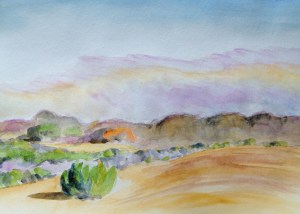
Springtime along Salado Creek, Texas.  Copyright April 2013 Robin L. Chandler
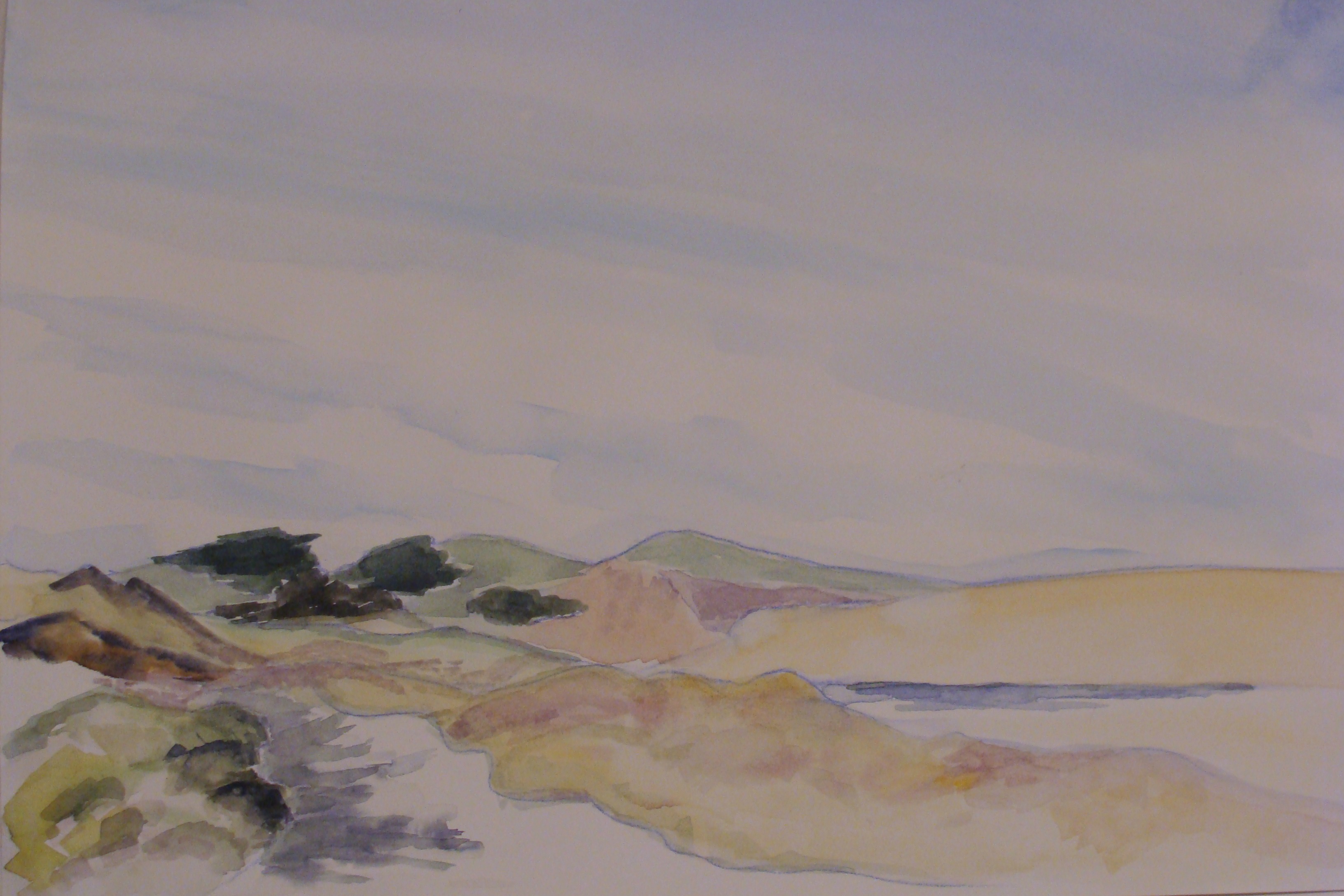
Springtime. Cottonwoods and willow trees along Salado Creek, Texas. Copyright 2013 Robin L. Chandler

“The Rivers of Texas” is an old cowboy song that mentions fourteen rivers in the Lone Star state; Lyle Lovett recorded his version  – The Texas River Song –  on the album Step Inside This House. My good friend Bill tells me Townes Van Zandt also recorded this classic. This excerpt of lyrics comes courtesy of Verne Huser’s book Rivers of Texas:

“We crossed the broad Pecos and we crossed the Nueces, Swam the Guadalupe and followed the Brazos; Red River runs rusty; the Wichita clear. Down by the Brazos I courted my dear…The sweet Angelina runs glossy and glidey; The crooked Colorado flows weaving and winding. The slow San Antonio courses the plain. I will never walk by the Brazos again.”

Nomadic by circumstance, or maybe I just like driving, I am on the road again, speeding northward into the oncoming night from San Antonio towards Austin and Waco.  I laugh out loud recalling an essay in High Country News by John Daniel; in A Word In Favor of Rootlessness he wrote “marriage to place is something we all need to realize in our culture, but not all of us are the marrying kind…it makes me very happy to drive the highways and back roads of the American West, exchanging talk with people who live where I don’t, pulling off somewhere to sleep in the truck and wake to a place I’ve never seen.” Out my side window, I search for the “Old Yellow Moon,” Emmylou Harris and Rodney Crowell croon about on my CD player.  Running north – south, I-35 intersects a series of rivers crisscrossing Texas roughly north-west to south-east; I catalog them in my mind: San Antonio, Guadalupe, Colorado and as I get closer to my destination the tributaries to the Brazos including the Leon, San Gabriel and Little Rivers and of course Salado Creek.
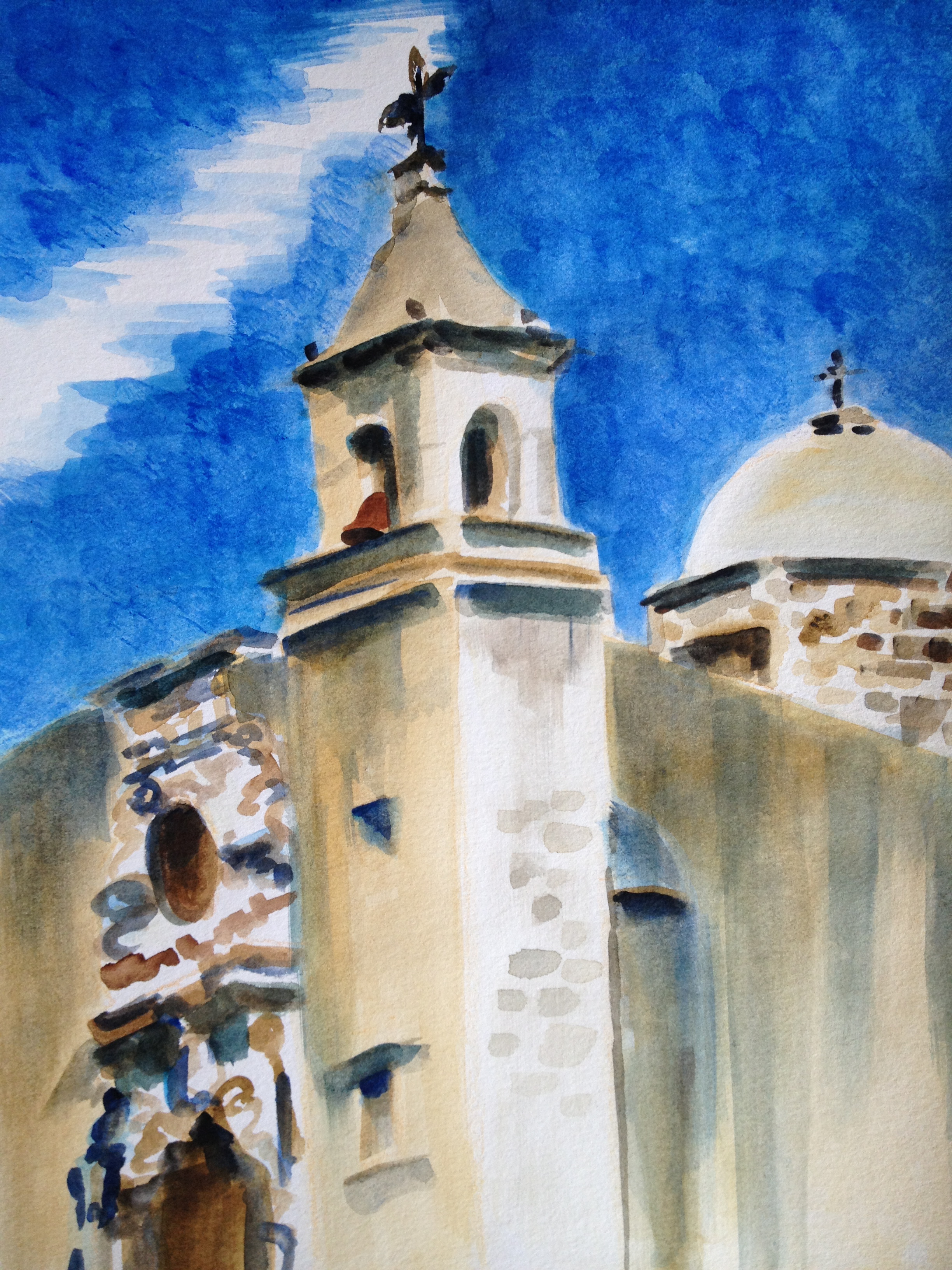
Mission San Jose, San Antonio, Texas.  Copyright April 2013, Robin L. Chandler.
Mission San Jose, San Antonio, Texas. Copyright 2013, Robin L. Chandler.

This year, Texas like many places in the Western and Midwest United States is suffering from drought. Not enough rain is falling to soak into and heal the land, fill the reservoirs and aquifers and bless the riparian areas providing a respite to migratory birds and a home for wildlife along the streambeds. At the same time the demand for the life-giving water grows for agriculture, industry, and the expanding suburbs.  In the thirty-some odd years I’ve been coming to Central Texas the population keeps increasing; more houses, more malls and with this expansion the burgeoning need for water.  But this is not a new story.  In San Antonio, I travelled parts of the San Antonio River Walk heading south to the Historic Missions National Park. Built in the early 18th century, close to rivers, the mission communities constructed dams and aqueducts to guide water for irrigating crops and powering flourmills.  The Belton Lake Dam on the Leon River is a 20th century version of the mission acequias; Belton just provides a lot more water for a lot more people.  The grandfather of Texas conservation, John Graves, wrote a book Goodbye to A River, published in 1959, now considered a classic about his late 1950s canoe trip down the Brazos River.  The book is often cited as a major reason only a limited number of dams were built on the Brazos. The current drought places a strain on stored water supplies.  But what can we do to make sure that there is enough water for all those  who need it, including the native plants and animals? In the 13th Century, it is believed the Anazasi left the Colorado Plateau for the Rio Grande valley of New Mexico when extreme drought caused these peoples to abandon their homes.  Where could we go?

Nomad that I appear to be, place and community do obsess me. Wherever I land, I want to understand the context of the place – the land and its people. I do not feel geographic detachment, but I realize this ability to move quickly from place to place comes at an expense. In Teaching About Place Hal Crimmel published the article “Teaching About Place in an Era of Geographical Detachment.”  Crimmel states “technology enables escape from any particular locale, accelerating the process of geographical detachment.  In fact, living in place may have more to do with restraint than passion these days.  Unprecedented access to distant energy sources, such as natural gas piped across the continent, and to mechanical or electrical technologies means people need not live within the ecological limits imposed by climate and topography.” I feel the contradiction deep in my bones; I hope my Prius buys me some credit when my judgement comes.

Prosperity is right around the corner

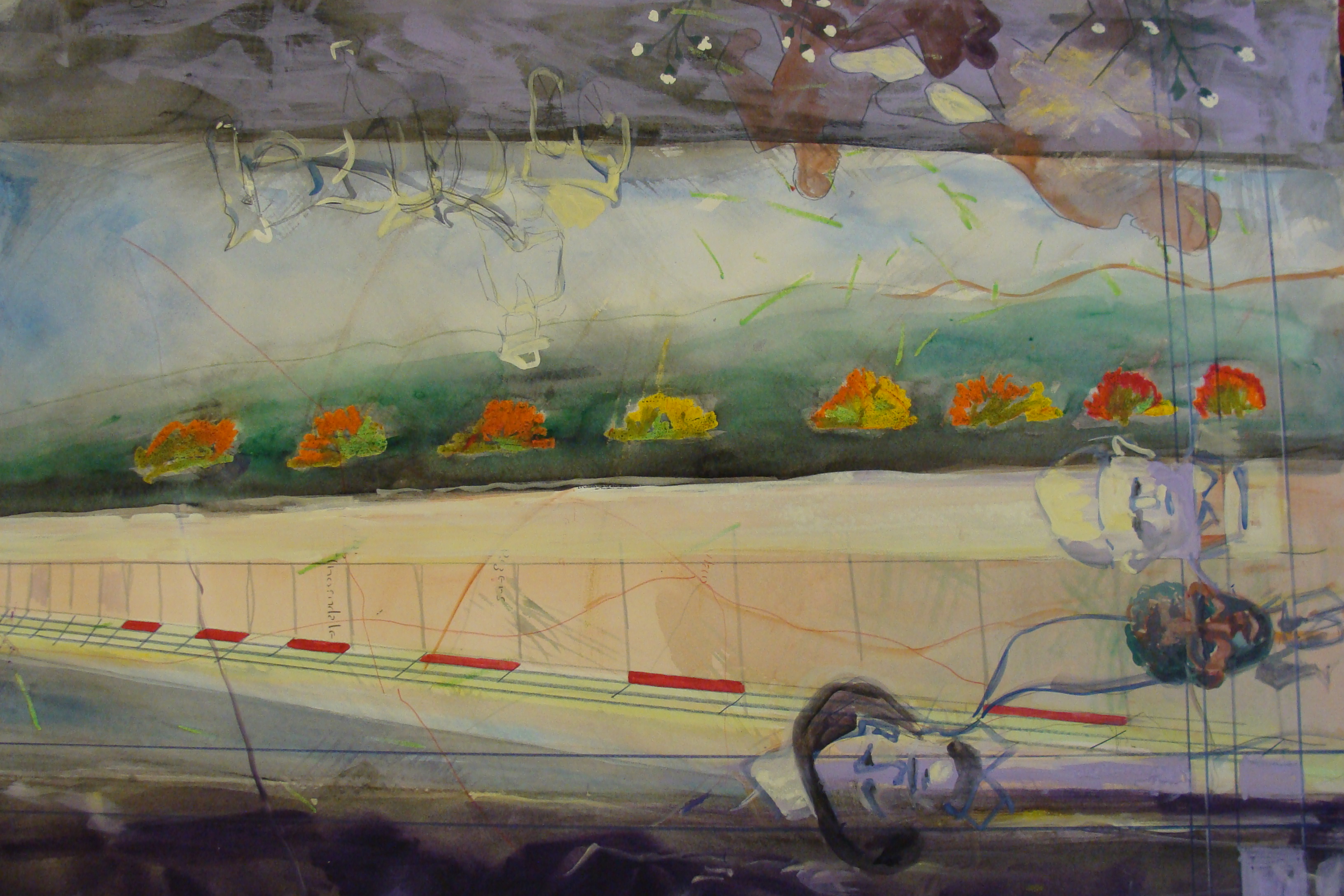
Grain elevators, Thorndale, Texas. Copyright Robin L. Chandler
Grain elevators, Thorndale, Texas. Copyright 2012 Robin L. Chandler

“What do you want to do,” he asked. “Thorndale…I want to visit the Texas town where you were born and grew up.” We drive through Milam County listening to my Father’s stories as he points out his life landmarks. Travelling the farm-to-market roads in cotton country, we pass through mostly ghost towns like Bartlett, a once thriving farming community and sometime Hollywood location shoot, and San Gabriel, originally a Spanish mission.  Under gray winter skies, the soil, where corn and cotton were recently harvested, still look rich and black. Farmers still grow these crops here, but you get the feeling, people don’t do much of their living here anymore. Living might be a few miles to the south where the economy has shifted to the technology industries surrounding Austin.

It’s Christmas Eve and Thorndale is quiet. Thorndale is about ten miles east of Taylor where my grandparents and my mother are buried and about forty miles from Temple where I was born. A few trucks are parked in front of the main street café where we get a last cup of black coffee before they close down for the holiday. A main state highway cuts through town paralleling the railroad tracks.  Pick-up trucks roar by and now and again the sound of a Santa Fe diesel train engine horn moans lonesomely in the distance. We walk around town visiting the Victorian era farmhouse where my Father was born and grew up during the Great Depression. Living mostly in busy urban centers, it’s hard to believe that many of these ramshackle wood frame houses – that a strong wind might scatter – are still lived in.

Looking north from Temple, Texas at an oncoming cold front.  Copyright Robin L. Chandler.
Looking north from Temple, Texas at an oncoming cold front. Copyright 2012 Robin L. Chandler.

When my Father was a boy, more than one thousand people lived in Thorndale. Ironically, the 2010 US Census counts the town’s population at over one thousand. As we walk, my father points out the now boarded-up movie theater where he watched Tom Mix movies, and the abandoned car dealership. Some businesses from his childhood remain, including Mr. Butts’s dry goods store where you can still buy a good pair of work boots. I feel like a human Historypin, my imagination does the work of the computer overlaying linked-data historic photographs of a busy farm town on the now sadly deserted streets. Down the street, stands a small brick building framed with Doric columns, still housing the Prosperity Bank; I laugh to myself, recalling a scene from the 1936 film My Man Godfrey.

Set in a “Hooverville” along New York’s East River, Godfrey Park (the actor William Powell) and Mike (the actor Pat Flaherty) exchange a few words. “Mike, I wouldn’t worry.  Prosperity’s right around the corner.” “Yeah. It’s been there a long time.  I just wish I knew which corner.” Prosperity’s right around the corner was a phrase employed by Republican Party members advising the country after the Wall Street Crash to be patient and trust the free market’s ability to right itself.  Will patience serve us today as our Congress and President tango close to the fiscal cliff? As we stand in front of the bank, my Dad recounts a sight that remains stamped on his brain.  As a young man in the early 1930s, he witnessed grown men leaving the bank with tears streaming down their faces when the bank foreclosed on their farms.  He recalls they didn’t know how they were going to feed their families and hoping the federal government would continue to provide the five-pound sack of flour for free.  Woody Guthrie’s song about the bank robber Pretty Boy Floyd comes to mind.  The Smithsonian Folkway released a wonderful collection of his songs this year celebrating the centennial of his birth.

“Well, you say that I’m an outlaw, You say that I’m a thief. Here’s a Christmas dinner, for the families on relief.”

“Yes, as through this world I’ve wandered, I’ve seen lots of funny men; Some will rob you with a six-gun, and some with a fountain pen.”

“And as through your life you travel, yes, as through your life you roam. You won’t never see an outlaw, drive a family from their home.”

Feliz ano Nuevo

Early morning and first day of the New Year, dinner was already in the bag.  The black-eyed peas were cooked and we still had a little smoked turkey from “Tejas”  – my Dad’s annual holiday gift.  We were ready for our traditional new years pilgrimage to the ocean.  The truck easily covered the fifty-mile distance seamlessly crossing the once Spanish and Mexican ranchos — remembered now mostly as streets, colleges, landmarks or towns named for land grants – Peralta, San Pedro, Nicasio, Tomales and de Los Reyes.  Sir Francis Drake Boulevard holds some thirty years of memories: the old white horse in the corral just west of Lagunitas (a toy horse perched on the fence has sadly replaced the original); seeing my first Steelhead with Jane in Lagunitas Creek on our bike-camping trip from Santa Rosa to San Francisco; watching the Salmon with Wave as they lay their eggs in redds just below Kent Lake; and the journey to Bolinas in the old VW bug for my first kayaking adventure with Glo, John and Carol.

Before reaching the beach, two mandatory stops are necessary.  Ginger & Chocolate-Chocolate-Cherry cookies from the Bovine Bakery are a must: necessary fuel for the hike ahead.   Stocking up on our reading materials was another must at the Point Reyes Books.  We are members of their Community Supported Bookstore Program a cool new idea inspired by community supported agriculture to help sustain independent book sellers.  Supporters make a deposit with the bookstore and draw upon that amount for future purchases.  Brilliant! I hope other bookstores start this program!  A lover of browsing, I bought my first book of 2012, a volume by the roots music guitarist Ry Cooder: Los Angeles Stories.  Looks like my kind of book.  Fiction, but the kind of stories you might gather by sitting down with the everyday folks in your community over a cup of coffee and listening to their life; learning about their part in our shared history.  Revived both gastronomically and intellectually, we headed on down the road to Limantour Beach to let the ocean ions do their purifying thang.  We walked the beach length in the bright sunshine, the waves gently lapping at our feet and the sweet ocean air wafting through us.  Later, alone in the truck for a few minutes while Wave lingered to capture a last image of a beautiful day, I queued Mary Gautier’s Mercy Now.  As I look to the year ahead may everyone have “ a little mercy now.”

Ghosts of Aprils Past

Cotton. Copyright 2011 Robin L. Chandler

Guarded by the monuments honoring the defenders from the northern aggression

A town square, now sits quiet

Bypassed

The highway  leads to the WalMart suburbs, spaces filled with fast food and fast fun, a drive through espresso and a MySpace page

The rhythms of cicadas, drowned by the roar of air conditioners

In the shade of live oaks, by the County Courthouse, I sit with my father and uncle

They speak of my grandfather – Eph – Manager of the cotton gin in Thorndale, Texas

With their voices the past comes alive:

The wagons creaking under their load

Bales of cotton

Products of hours of picking under a hot sun

Sweat streaming

Backs bent with pain

Bloody hands

Callused hands scarred by the thorns of the south’s cash crop

White hands and black hands made equal

By the pain and the heat

Sunlight streams through the cracks

Revealing cotton dust rising

Filling the spaces between breaths

The cotton enters the gin

Separating fibers from seeds

Long white fibers

To form the clothes on our backs

Dark seeds pressed

Oil for margarine, meal to feed cattle

They say the cotton gin killed Eph

Years of dust caused the cancer in his brain

A working man

A hard man

No time for tenderness

Love meant food on the table and a roof over their heads

My father’s sense of duty and responsibility flow from him

Father buried Eph in Taylor – as he asked — with a good view of the  road to Thorndale

Later that evening, we watch a little league game, April brings the nation’s pastime

A hot wind blows across the field

A reminder of the scorching Texas day

Grasshoppers by the hundreds fly towards the electric lights.

A black child walks by

Interrupting the serenity of our colorless existence

Watch him, a stranger says, he may have a knife

Shaken, I am horrified: the cotton gin cranks on, separating the light from the dark

Suburban streets cannot mask

Centuries of hurt, neglect and segregation

Revisiting our country’s Civil War, April resonates: Sumter, Appomattox, Lincoln’s Assassination

Bypass not these one-hundred and fifty years

Bypass not these struggles for justice

Mold not history to political need

Pick not the path of easy memory and least resistance

Sift the evidence, seek the truths

For we hold these truths to be self-evident

That “all” are created equal

Long before his death in Memphis in April 1968

Dr. King dreamed on the 100th Anniversary of the Emancipation Proclamation at the  steps of the Lincoln Memorial:

“…..we will be able to transform the jangly discords of our nation into a beautiful symphony of brother hood.”

Don de Tejas Magos

Behind the wheel, I’d been putting miles between us and our cameos in that timeless bittersweet holiday love story; the laughter and tears of parents and children. We’d had the joy of loving those in need and receiving their blessings in return. Needed warmth in the oft-desolate wasteland of the heart. Suddenly, I am shaken from my journey in the land of existential (“dust storms may exist”; “zero visibility possible”*). Deep in the heart of Texas,** the temperature gauge spiked. Oh, shit! Was our good luck running thin? Ahead the two-lane road came to a rise. We pulled off the road feeling small and alone amidst the vast sparse plains and endless blue sky. Prickly pair cactus for miles around and a little Armadillo road kill on the side. Nearby, a hawk perched hungrily watching a meadowlark dart across the road. Mockingbirds and ravens settled on the mesquite trees as if taking their seats for the show. Feeling a little like the wilderness comic, I bowed to the audience and lifted the hood dreading the voice of doom. Somewhere in the midst of that fine German engineering the car sizzled. I knew then we wouldn’t be sleeping that night in New Mexico. Under my breath I hummed the Grateful Dead lyrics “Casey Jones you better watch your speed…trouble ahead, trouble behind.”

The miles of country behind  – cotton fields, pecan trees, goats, and the occasional steer – had been punctuated with cell towers. We might feel a bit lost out here in the desert, but we could be found; GPS and handhelds with bars serving as a strong substitute for a bright guiding star. Seconds later Google maps located the nearest VW dealer some 150 miles northwest. Plan B began to take shape. Later that night in an Abilene Best Western, that had room for us, we mused about our best-laid plans and what a roll of the dice can bring. Our luck never really ran thin. It was quite the opposite. Bearing gifts they came to us one following the other. John, our Abilene VW service manager, although miles away inspired confidence as we collaborated via cell phone to diagnose the problem and how to resolve it; Mrs. Wise, a local rancher, stopped and offered comfort making sure we had water and a way forward; and Sergeant-Major, twenty-year career soldier and medic, gave us command over the problem all the while laughing and sharing stories of his life in the army as he towed us west towards the stable, excuse me, garage managed by Donna (where they affectionately called her Ma). We will never forget the Texas magi and their gifts.

* Actual road signs in New Mexico, Land of Enchantment

** In 1923, Brady, Texas was officially designated as the “heart of Texas.”

pilgrims and desolate angels

On the road in Texas. Copyright 2010 Robin L. Chandler

On Christmas Eve morning we began our journey heading southeast past the fields of plowed-under cornhusks and bales of cotton standing ready at the gin.  At the small towns of Little River, Bartlett and Granger I slow the car. Out the corner of my eye, I see the bustling cotton towns of the 1920s.  Now I quickly glance at a few farmers and ranchers, their wives and children, topping off the tank and buying a quart of milk at the convenience store before settling-in for the coming day of celebration, rest, and reflection.  Desolate and empty towns transformed by the shift from local to global economy.  From the north and west comes a great cold front.  From the vantage point of a small rise the change of weather is visible for a great distance in the hill country.  Still hours away, the dark gray storm clouds will bring a hard driving rain that floods the road and challenges visibility.  In Taylor, we pilgrims stop to rest and replenish our minds and bodies with conversation and good Texas barbeque with pinto beans, slaw, pickles and onions.  The years of rich smoky air browning the walls will stick to our clothes leaving a sweet reminder of time past. Refreshed we continue our pilgrimage on state route 79 to the cemetery to pay our respects to my grandfather, grandmother and mother.  In 1946 the year he passed, my Grandfather Eph asked my father to bury him with a view of the road heading east to Thorndale, the town where he raised his children and supervised the cotton gin.  We stand on the hillock, the cold wind blowing rain in our faces, and pay our respects to our loved ones.  All around a world of grey: sky and two-lane highway.  I think of Desolate Angel –  Dennis McNalley’s biography of Jack Kerouac –  and the words “the great walking saint would be a pilgrim who would traverse until his death America’s streets and roads as penance for its sins, loving all its creatures – inhabitants, asking the cars as they hurtled by ‘whither goest thou?’ “