Winter rain has brought snow to our beloved Sierras and the sound of Yosemite Falls echoes like thunder through the valley! A welcome sound for our California beset by drought. Gradually hiking to Glacier Point from the valley, each switchback brought another gorgeous view of the waterfall. In his 1871 journal, John Muir wrote “as long as I live, I’ll hear waterfalls and birds and winds sing. I’ll interpret the rocks, learn the language of flood, storm, and the avalanche. I’ll acquaint myself with the glaciers and wild gardens, and get as near the heart of the world as I can.”
Captivated, I painted the waterfall the next day. Setting up my easel by the Swinging Bridge, I tried to capture the rainbow created by the sunshine striking the water falling earthward. The song of the waterfall, birds, and wind was all around, complemented by the sound of human language, as peoples from throughout the world came to visit and wonder at the beauty of this sacred National Park. Yosemite, the great sanctuary, the heart of the world, welcomes us all, makes brothers of us all, diminishing our fear, giving us peace in time of pain.
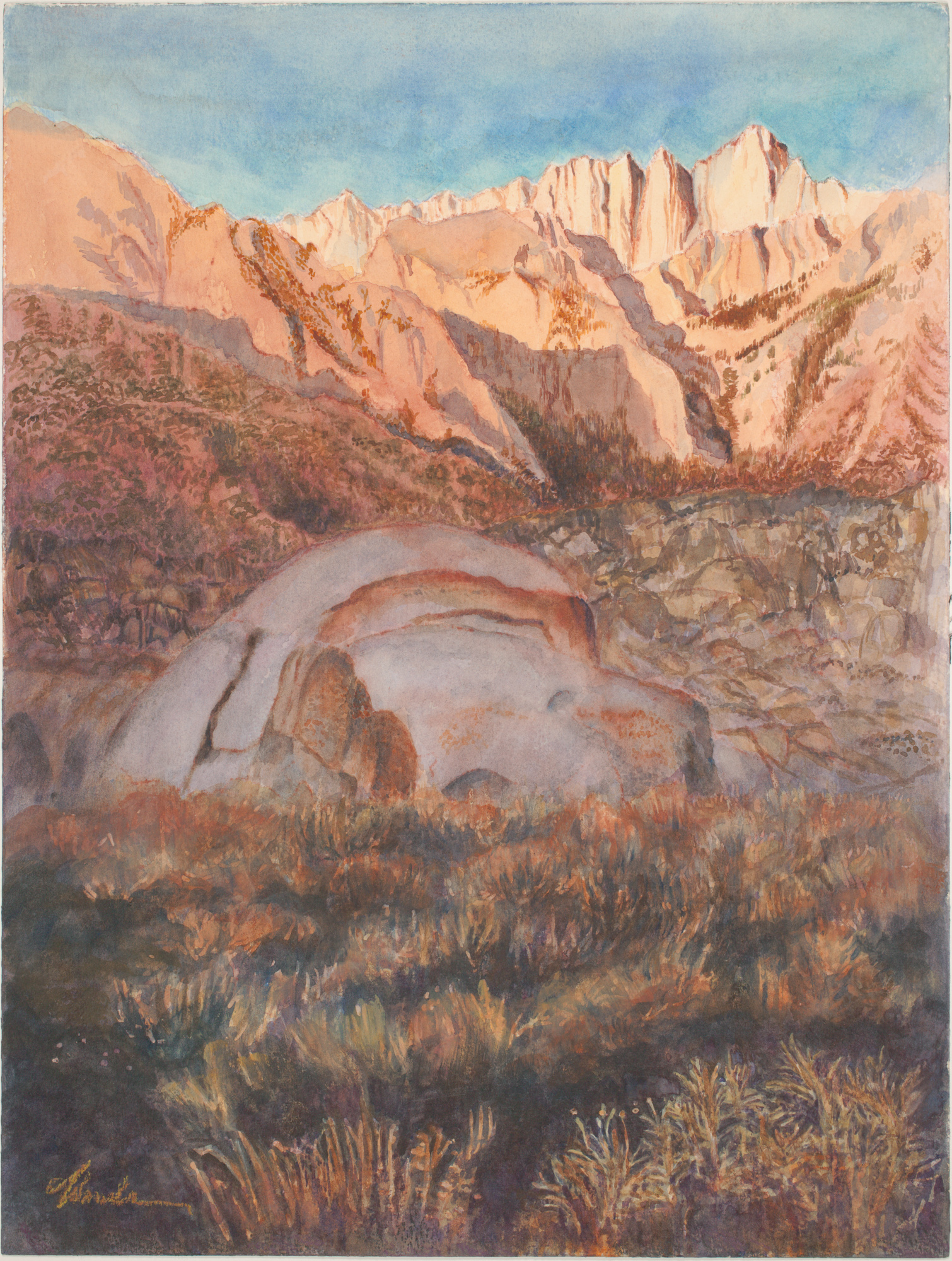
Mt. Whitney at sunrise. Robin L. Chandler copyright 2014.
In Bernard Berenson: A Life in the Picture Trade, Rachel Cohen describes how Berenson, revolutionized art history by his beliefs that “one did not need to be steeped in history or iconography in order to respond to paintings…one could be in an active relationship with paintings…one’s own private and profound experiences of them was not just for the rich or gifted but a natural capacity of the human mind and therefore available to everybody.” Paintings, wrote Berenson, “hate people that come to them with anything but perfect abandon.” This month an exhibit of my watercolors hangs at the Sweet Adeline Bakeshop in Berkeley. Watercolors lend themselves well to my life in transit: they are light to carry, rapidly used, and quick to dry. As I walk and bike near home and work, or travel, I discover stories in the landscape. Watercolors and brushes at the ready, I stop to capture the moment with quick sketches. Some of these sketches mature into more detailed works created back in the studio.
While I firmly believe historical context is not required to enjoy art, it does, without a doubt, add to the experience. Depicting wild or urban settings, my paintings draw inspiration from the Hudson River School and Tonalism, groups of artists who expressed their experience of nature in very different terms. Hudson River School painters – including Frederic Church and Albert Bierstadt – wrought panoramic vistas celebrating the magnificence of the land in sharply defining light. Emphasizing mood and shadow, the breaking dawn, gray or misty days, or light bleaching out sharp contrasts, Tonalist painters – such as George Inness and James McNeill Whistler – softly rendered landscape forms in their paintings. Published in A Life in Photography, the painter and photographer Edward Steichen wrote “by taking a streetcar out to the end of the line and walking a short distance, I find a few wood lots. These became my stomping grounds, especially during autumn, winter and early spring. They were particularly appealing on gray or misty days, or very late in the afternoon or twilight. Under those conditions the woods had moods and the moods aroused emotional reactions that I tried to render…”For those of you unable to see the exhibit in person, I share the paintings with you now. Bring your perfect abandon and choose your perfect soundtrack to view the pictures at the exhibition. Some may choose Mussorgsky, but for today’s viewing I choose Rufus Wainright‘s Release the Stars.
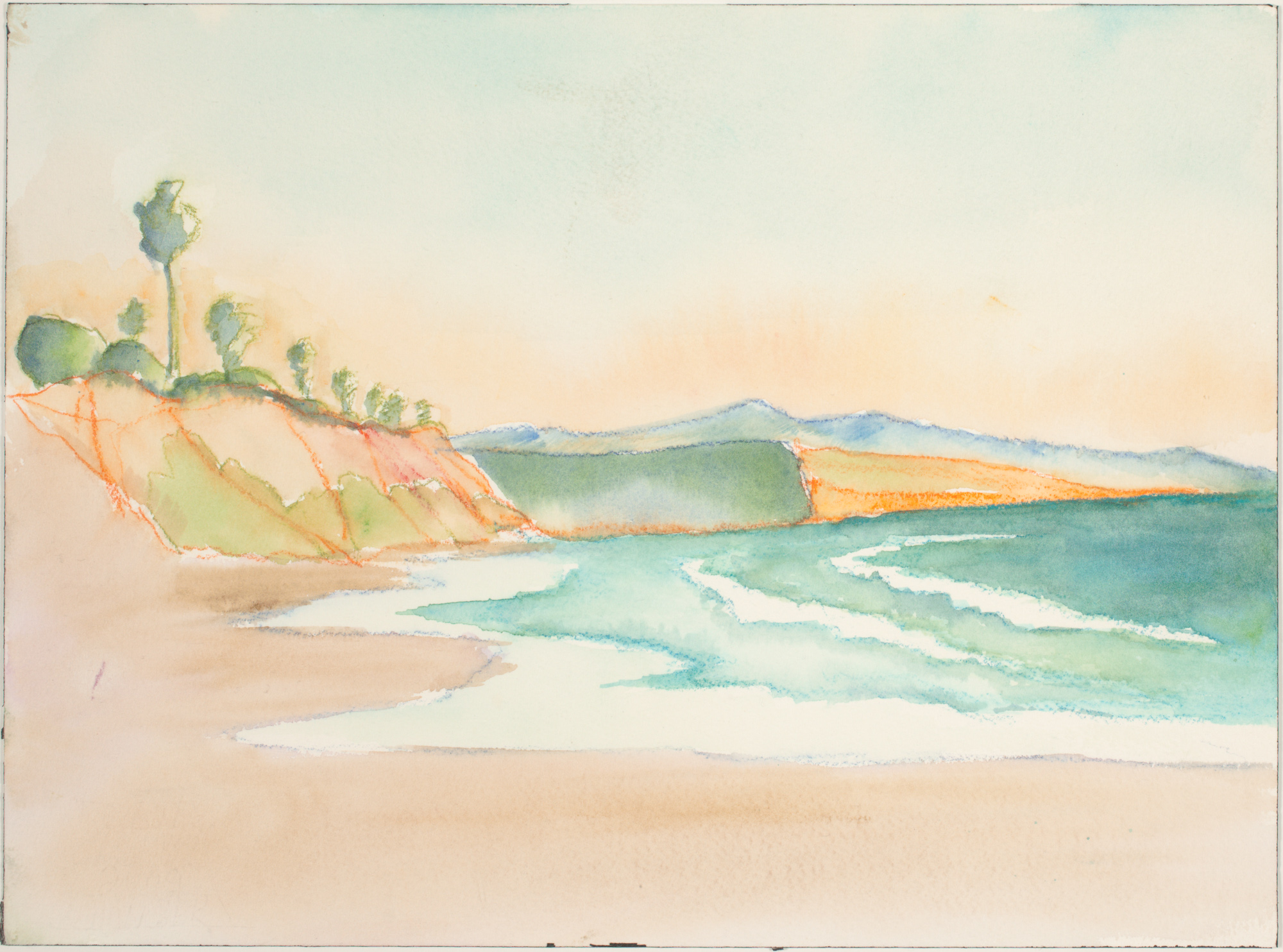
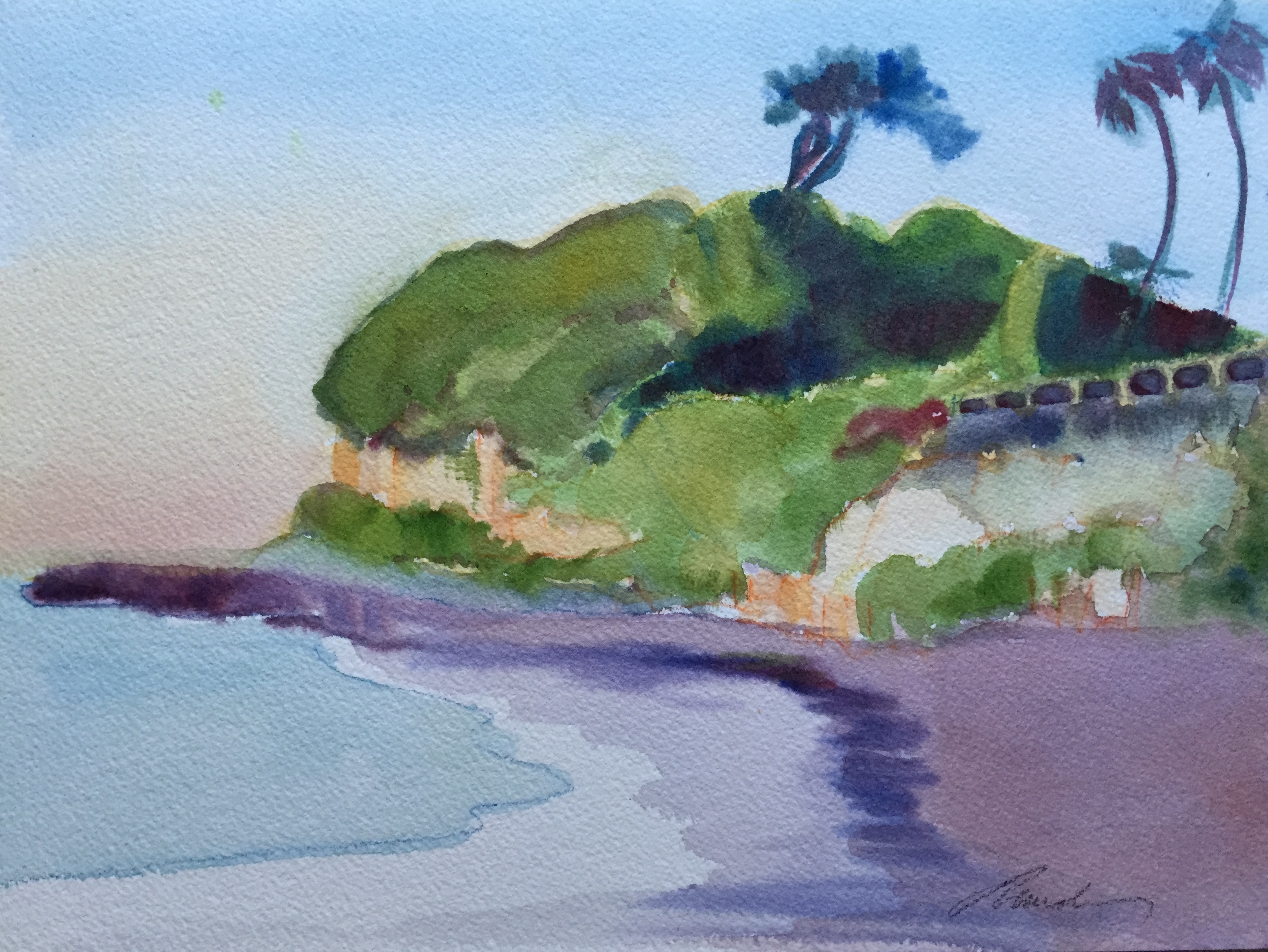
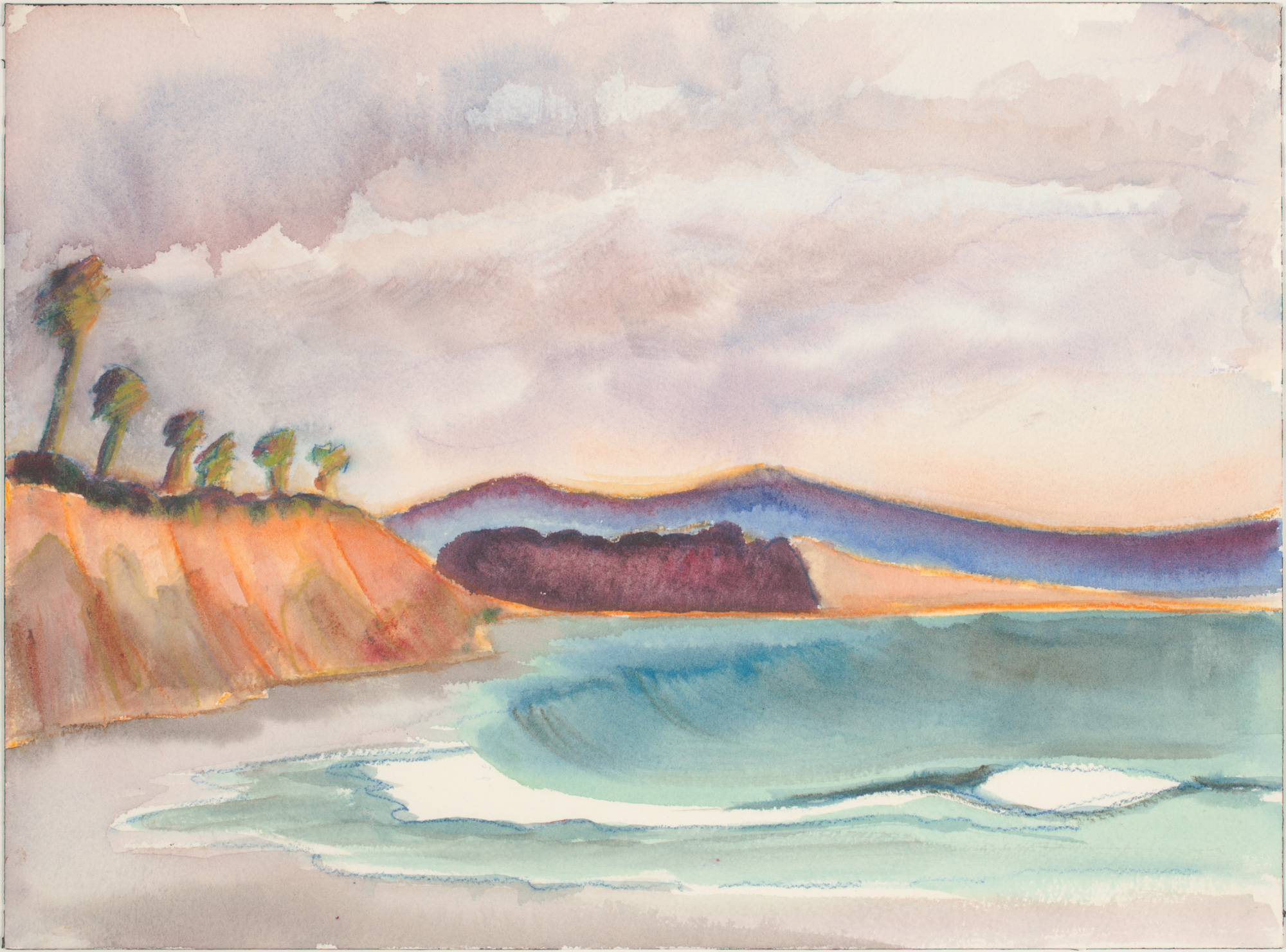
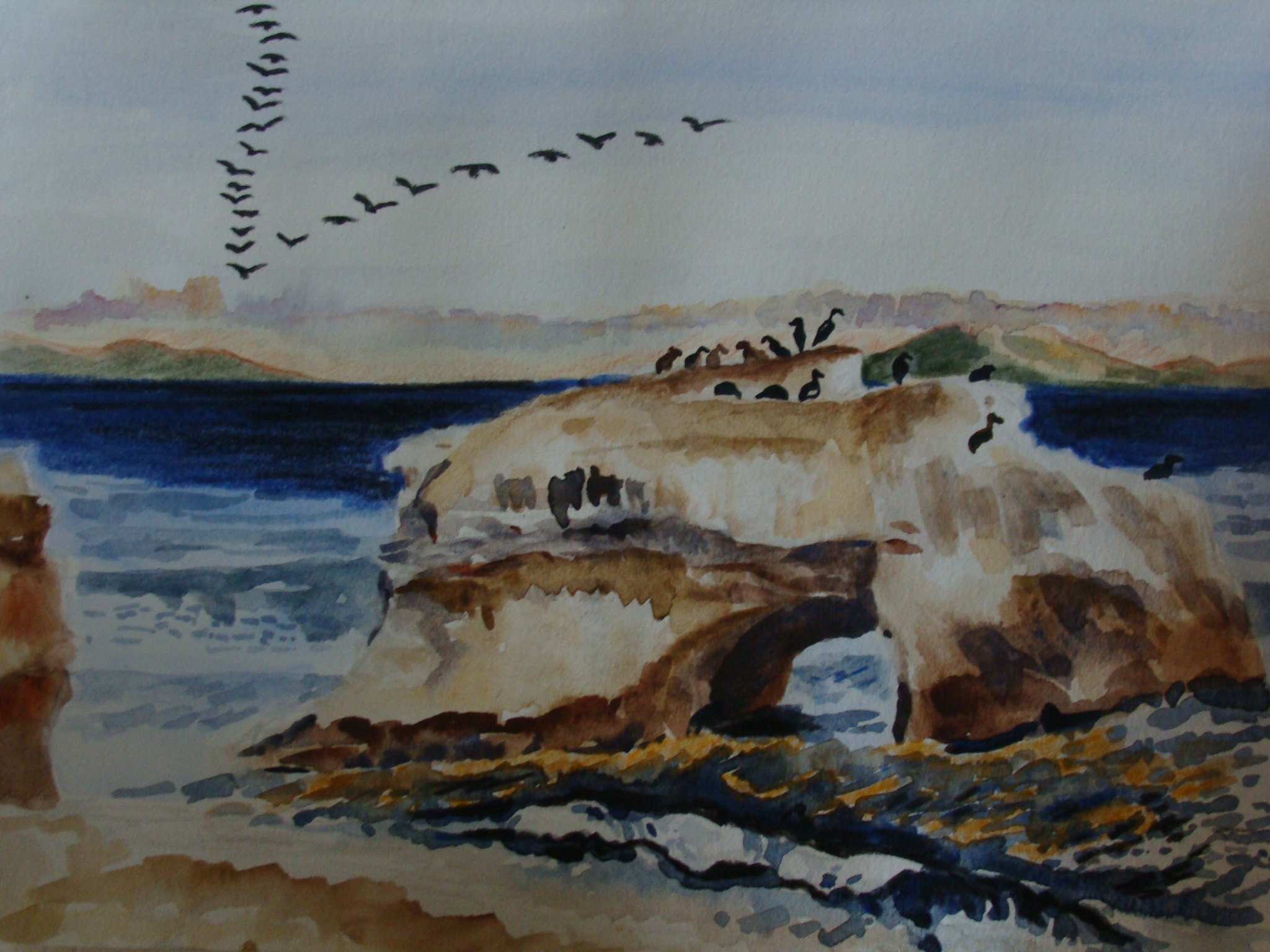
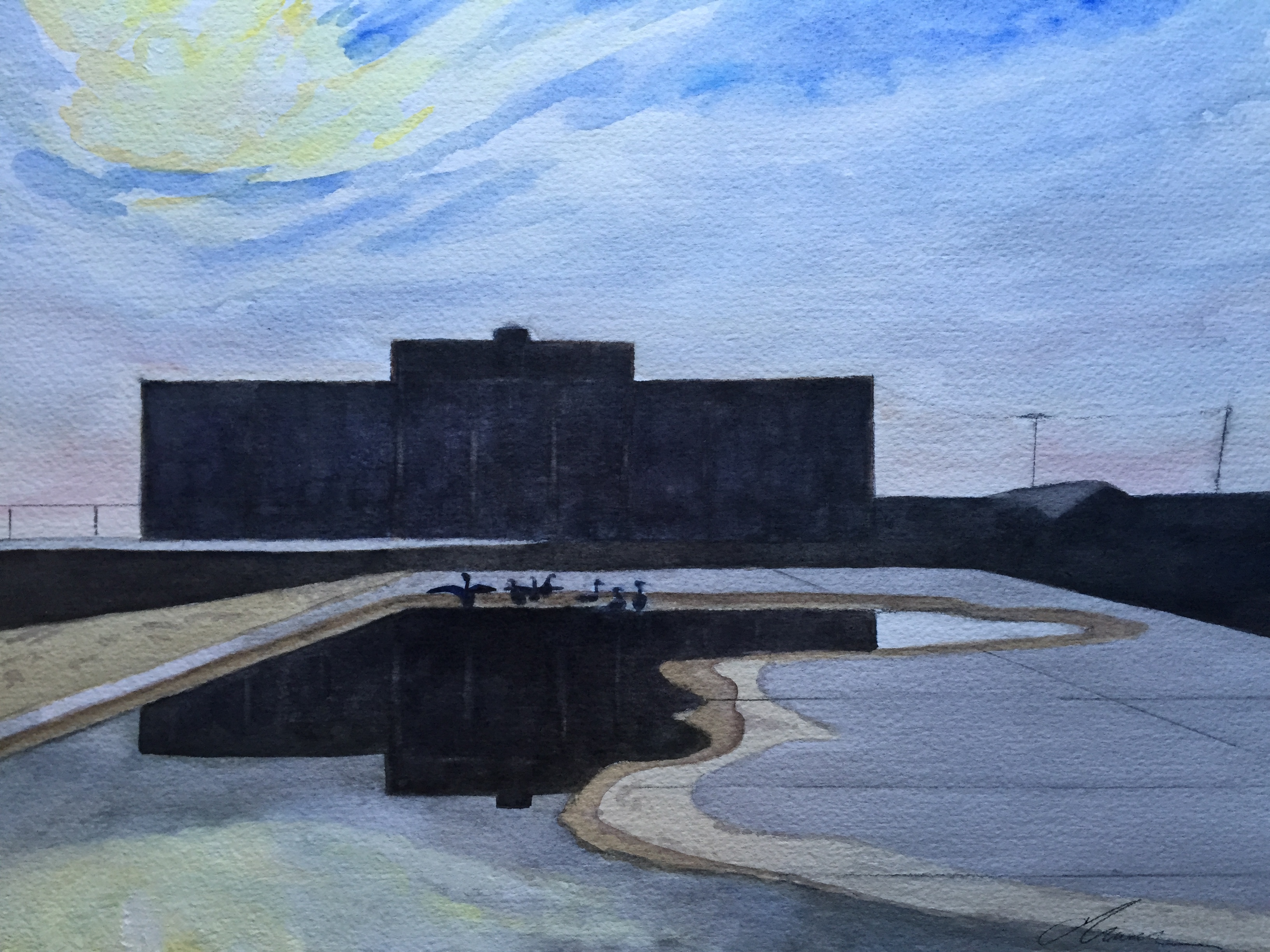
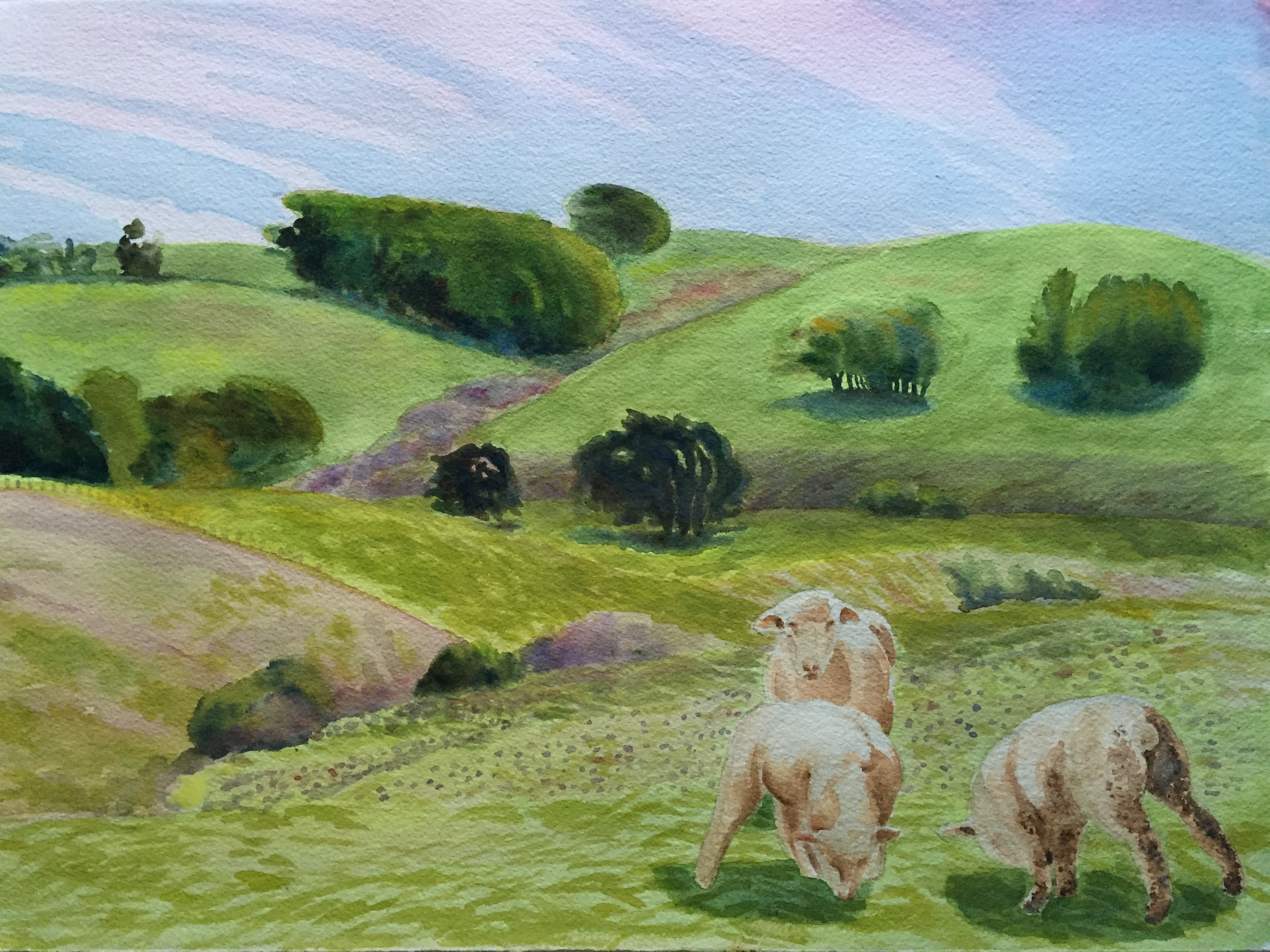
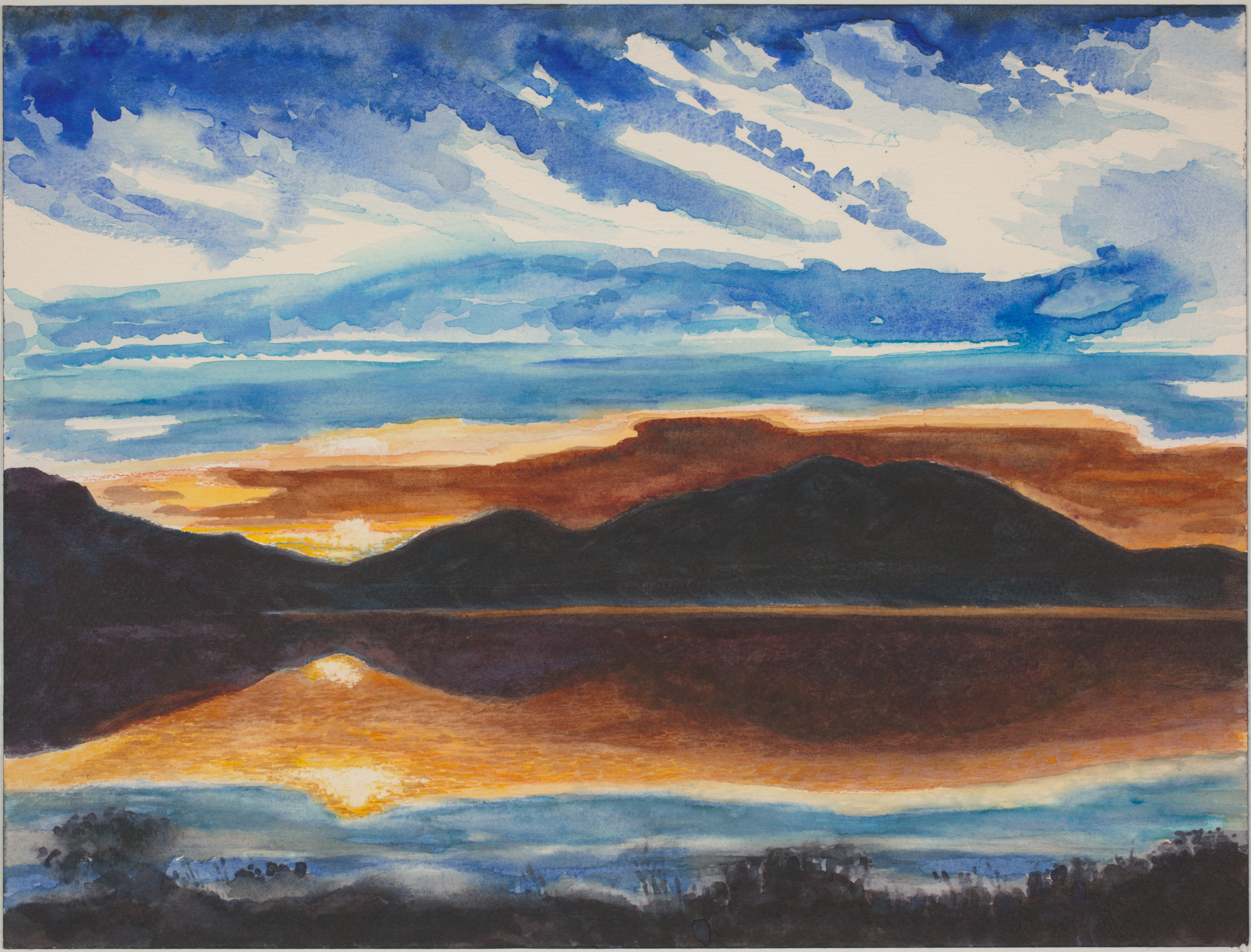
Torrey Pines early morning. Robin L. Chandler Copyright 2015.Swami’s Beach at sunset looking south. Robin L. Chandler Copyright 2014.Swami’s Beach at sunset looking north. Robin L. Chandler Copyright 2015.Swami’s Beach at sunset on a rainy day looking south. Robin L. Chandler Copyright 2014.View of Santa Cruz coastline and Monterey Bay National Marine Sanctuary. Copyright Robin L. Chandler 2014Natural Bridges late afternoon. Copyright Robin L. Chandler 2014Elkhorn Slough wetlands mid-morning. Robin L. Chandler Copyright 2014.Moss Landing at sunrise. Robin L. Chandler Copyright 2015Pt. Lobos near Carmel mid-afternoon. Robin L. Chandler Copyright 2015.Sailboats on Alameda Estuary mid-day. Robin L. Chandler Copyright 2015.Oakland Skyline mid-day. Robin L. Chandler Copyright 2015.Oakland Terminal on Alameda Estuary mid-day. Robin L. Chandler Copyright 2015.Storm over San Francisco view from Richmond wetlands. Robin L. Chandler Copyright 2015.Grazing Sheep north of Point Reyes Station high-noon. Robin L. Chandler Copyright 2015.Black Mountain late afternoon. Robin L. Chandler Copyright 2015.Nicasio Reservoir at sunset.Tomales Bay from Point Reyes Station storm moving in. Robin L. Chandler Copyright 2015.Mt. Whitney at sunrise. Robin L. Chandler copyright 2014View of Half Dome in Yosemite Valley. Copyright Robin L. Chandler 2014.
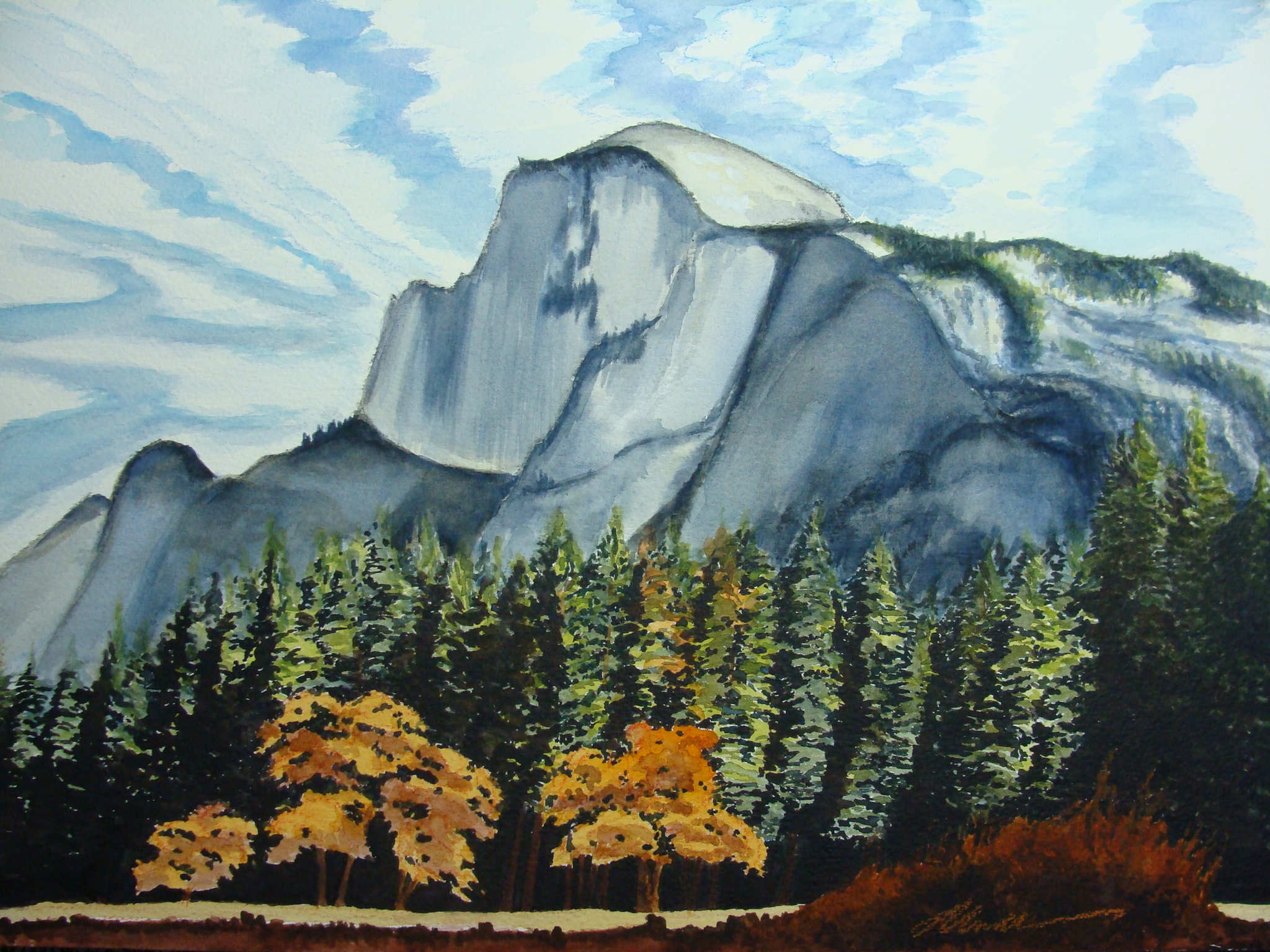
View of Half Dome in Yosemite Valley. Copyright Robin L. Chandler 2014.
“From this valley they say you are going…we will miss your bright eyes and sweet smile…for they say you are taking the sunshine…that has brightened our path for a while.” These are lines from Red River Valley, a song heard throughout John Ford’s classic film of the Great Depression, The Grapes of Wrath, and the melancholy theme for the Joad family’s hard-travelin’ exodus from dustbowl Oklahoma. Tenant farmers, the Joads head to California hoping for a better life, forced from their home by drought and economic hardship. With a few days off in early November, I am driving there and back, crisscrossing my great state of California from Santa Cruz to Nipomo, Los Angeles to Fresno, and Yosemite to Oakland. The many legs of my journey take me through the Central Coast, the Los Angeles Basin, the Central Sierras, and the Central Valley. The land is parched, thirsting for rain and relief from a multi-year drought; and Chicano, Latino and Mexican-American agricultural workers — immigrants and migrants – who came to California hoping for a better life, populate much of this land.
In the fields of the Pajaro Valley, near Watsonville in Monterey County, artichokes, strawberries and cole crops like Brussels sprouts and cauliflower are tended and harvested. Farther down the road, I arrive in yet another important agricultural county, San Luis Obispo, where avocados, citrus, and vegetables are grown. As I drive by the workers in the field, Gloria Anzaldua’s words from her book Borderlands: La Frontera ring in my ears: “To live in the Borderlands means you are neither hispana india negra espanola, ni gabacha, eres mestizo, mulata, half-breed caught in the crossfire between camps while carrying all five races on your back not knowing which side to turn to, run from…”
Today migrants of the borderlands make these agricultural riches possible, but some fifty years ago, “Okies” migrants from the 1930s dustbowl tended the crops of this county. Working in Nipomo, Dorothea Lange documented this earlier migration and plight of the workers in her famous Great Depression photograph of the “Migrant Mother.”
Further down the road, I reach Kern County in the San Joaquin Valley where, Buck Owens Boulevard crosses Highway 58, which leads to the Cesar Chavez National Memorial in Keene. The child of Texas sharecroppers driven out by dust and the Depression, Buck Owens found seasonal work following the crops from Gila Bend, Arizona through the Imperial and San Joaquin Valleys of California. Growing up listening to Mexican border radio stations and Baptist gospel songs, Buck made Bakersfield his home and became famous for singing the story of the “Okie” migrants who came to find work in the farms and oilfields of Central California. Owen’s contributions and the work of Merle Haggard are chronicled in Gerald Haslam’sWorkin’ Man’s Blues: Country Music in California. Ironically, just a few miles south of the road memorializing Owens is the final resting place of Cesar Chavez at the headquarters of the United Farm Workers (UFW) who started and led the farm workers’ movement to give voice to the next generation of poor and disenfranchised agricultural workers.
Sunrise at Montserrat Abbey. Copyright Robin L. Chandler 2014.
No matter where you find yourself, walking or cycling connect you to place. On foot or on a bike, life slows down and ceases to rush by in a blur. The smells, tastes, sounds, and sights of a landscape can be discovered, lingered over, and remembered. This rings true in both urban settings and the countryside where the aroma of paella cooking, the taste of locally made vermouth, the sound of church bells ringing, or the sight of the remaining fall leaves colorful against a winter sky are savored and stored like Proust’s memories of things past. Or as the landscape writer and teacher, J.B. Jackson wrote in his essay Sense of Place, Sense of Time the atmosphere…the quality of the environment…have an attraction…we want to return to, time and again.” So, after days of walking and gathering our own observational data about Barcelona, we set out to walk in some of Catalonia’s regions known as comarcas.
In the comarca of Pla de Barges, home to cava grapes, we arrived at Catalonia’s iconic mountain Montserrat to visit the Benedictine abbey Santa Maria de Montserrat in which the Mare de Deu de Montserrat – the black Madonna known as La Moreneta – greets pilgrim’s seeking to touch her hand to receive her blessing. The Montserrat range is Spain’s first national park and features formations composed of pink conglomerate and limestone rock visible from a distance as serrated ridges. The park draws hikers, rock climbers, nature lovers, tourists, and pilgrims to traverse the park’s miles of trails. On clear days visitors can see Mallorca one of Spain’s Balearic Islands in the Mediterranean; unfortunately for us, it was hazy. At sunrise the rocks and abbey are bathed in pinks and oranges and the Llobregat river valley below the mountain is covered with a blanket of fog. The Llobregat river flows from the Pyranees to enter the Mediterranean at Tarragona, the Roman imperial city of Iberia. The mountains above the abbey host chapels and the ruins of hermitages dating back over ten centuries. We walked the Cami de Sant Miquel through a Mediterranean Oak forest to Sant Joan’s chapel, the hermitage of Sant Onofre and the Stairway of the Poor. On the trail to the hermitage, I was moved by the stones worn smooth by centuries of pilgrims climbing the trail. My thoughts travelled to the Zen Buddhist, Matsuo Basho, the great master of haiku who wandered Japan writing poetry during the 17th century. Bashho drew inspiration from his environment, capturing his experience beautifully in a few short lines. Reaching the summit, I heard the abbey’s bells ring the quarter hour hundreds of meters below.
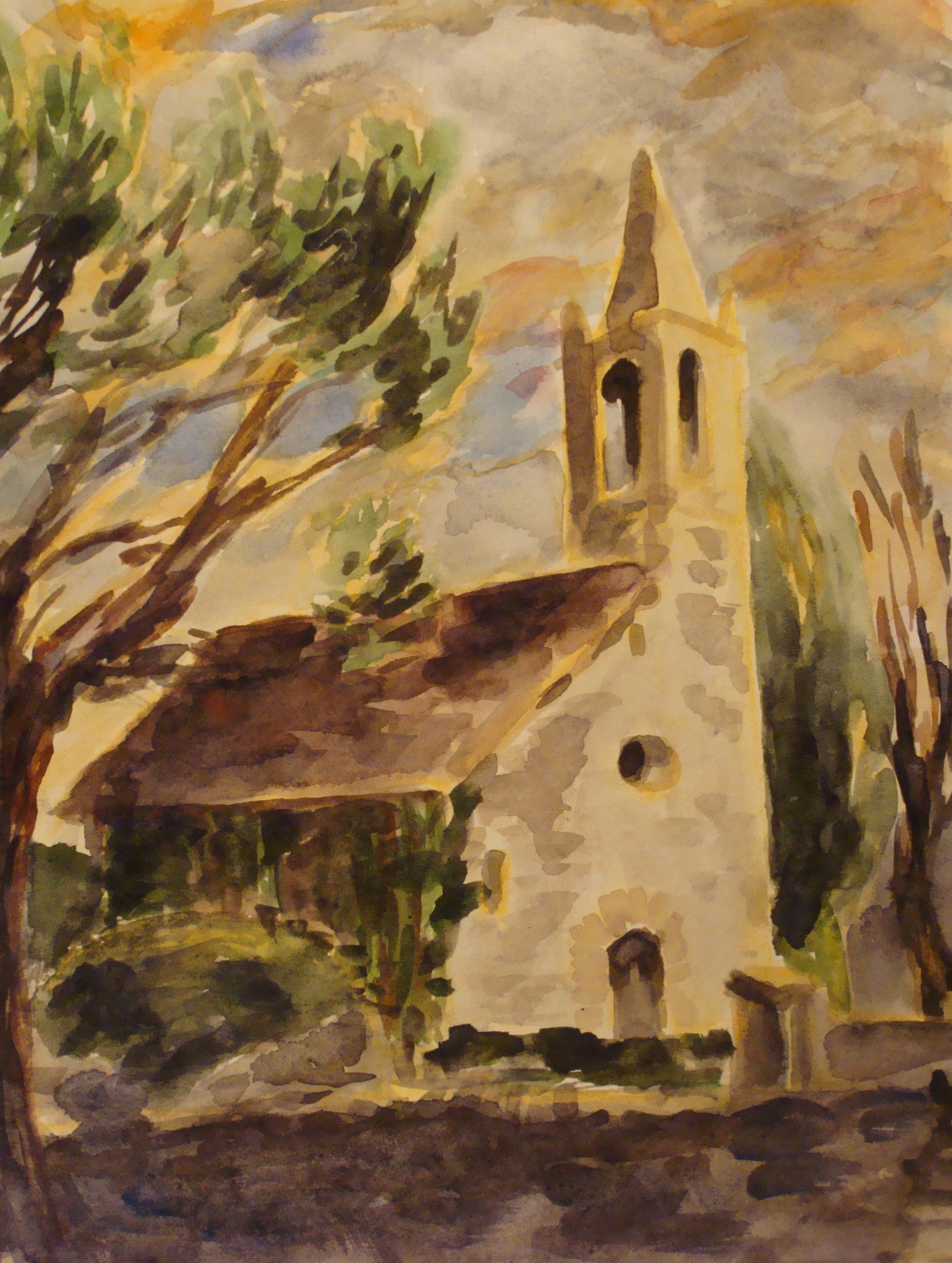
Sunset at La Rectoria de Sant Miquel de Pineda. Copyright Robin L. Chandler 2014.
Later in the trip, we visited the volcanic comarca of La Garrotxa, staying at the lovely bed and breakfast La Rectoria Sant Miquel de Pineda beside a restored 12th century chapel situated on the Ruta del Carrilet part of the itinerannia, a network of historical paths connecting three comarcs: El Ripolies (Pyranees mountains), La Garrotxa (the volcanic park) and L’Alt Emporda (rolling hills teased by the offshore dry, cold Tramuntana wind ). This network of trails is ideal for avid hikers and mountain bikers who enjoy exploring nature, touring farms, and sampling local cheeses, hazelnuts, pinenuts, honeys and breads, as well as learning about the history of the area. We walked the path leading to La Rectoria once the bed of the narrow gauge railroad connecting the ancient cities of Girona and Olot. We also explored the cobblestone alleys of the medieval towns of Besalu and Sant Pau discovering the traces of Jewish communities tragically expelled by their majesties Ferdinand and Isabella’s Alhambra Decree in 1492 after the Reqonquista of Muslim Iberia in 1491. We visited these towns on the celebration of Treis Reis (Three Kings day) or the Epiphany, when the Magi visited the infant Jesus celebrating the revelation of the Son of God as a human being. Parades arrived at the main town plaça where the Kings presented gifts to eager children and on January 6 we ate the Tortell de Reis. Each night at dinner our host Roy Lawson and his wife Garrotti created delicious meals featuring fare from local farms including haricot beans, truffles, goat cheese soufflé, and buckwheat pancakes. Roy and Garrotti’s hospitality, comfortable and welcoming accommodations, fabulous food are a must if you are travelling in Catalonia; and the people you meet at their B & B are great! Roy and Garrotti also have a blog for La Rectoria.
And then we came home and began thumbing our new Catalan cookbook!
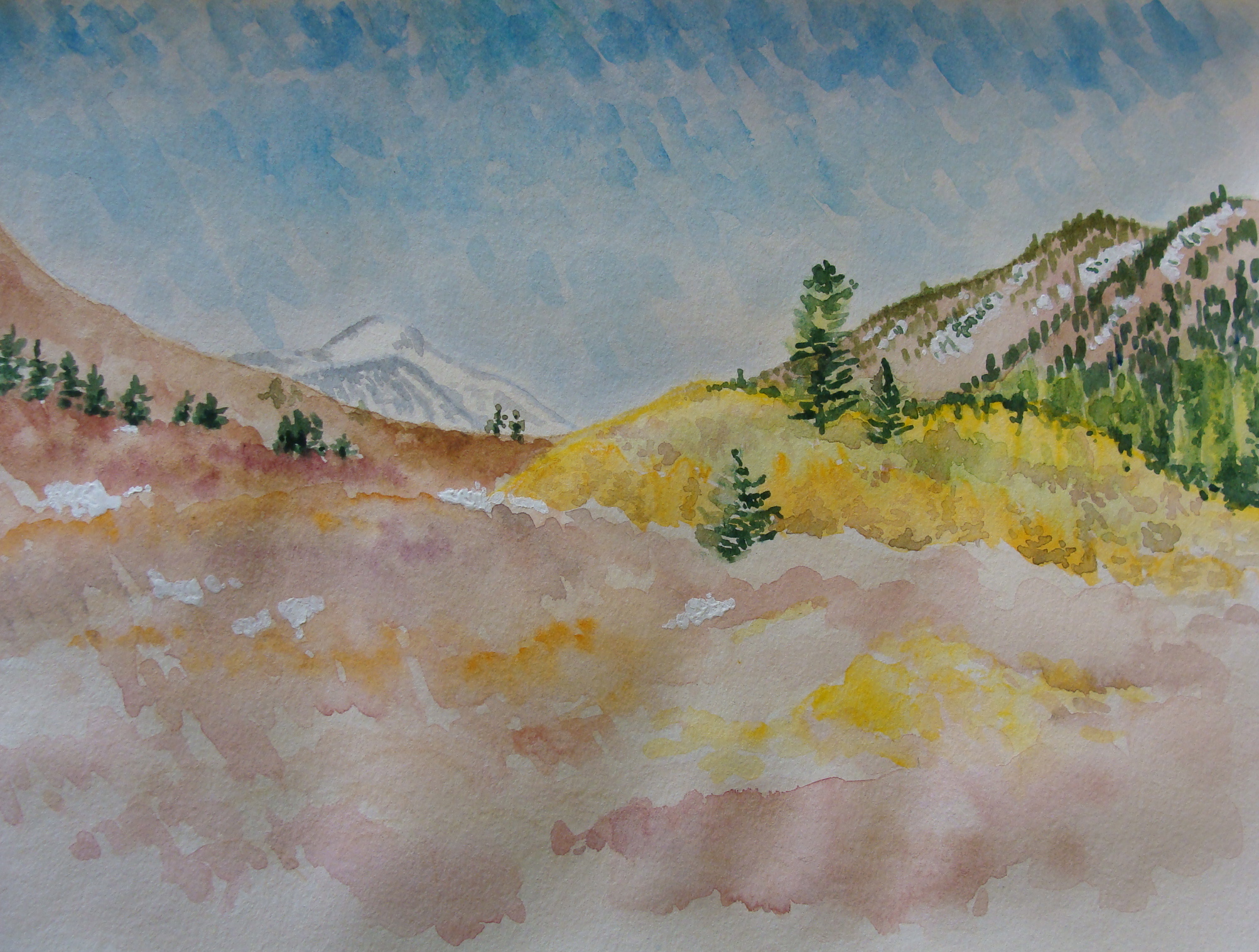
Quaking Aspens on Rock Creek in the Eastern Sierra. Copyright Robin L. Chandler 2013
October’s government shutdown locked us out of our national parks. Fortunately, national forests are nearly impossible to fence in. Forest rangers closed visitor centers, but they could not padlock our public lands. The indifference, lack of connection, and abstract selfishness of a political minority – disregarding communities beyond their voting district – blocked passage of a federal budget, keeping government workers from their jobs – in this case stewardship of our natural resources – and held our country hostage, reeking havoc with local economies, such as businesses dependent on tourists to our national parks. Flouting our temerity, we voted with our feet gaining access to our birthright, our public lands. Entering Inyo National Forest, we found welcome amongst the wilderness of trees in the Eastern Sierra and Great Basin Desert, trees, blessed by their ignorance of Washington, D.C.’s theater of the absurd. I photographed our journey in addition to the watercolors in this blog entry.
Ancient Bristlecone Pines on the White Mountains. Copyright Robin L. Chandler 2013
When its fall in the Eastern Sierra, trees dress in dramatic and painterly yellows and gold accented now and then with a touch of red and orange. Near sagebrush scrub in the yellow pine belt bioregion found at approximately 7,000 feet above the sea, the yellowing leaves of black cottonwoods are jewel-like on the landscape. Thriving on moisture, the cottonwoods grow where their roots find water near lakes, meadows, springs, and mountain streams. Higher in the Sierras, in the 9,000 – 11,000 foot elevation range, forests of jeffrey and lodgepole pines, red fir and western junipers are found, as well as stretches of quaking aspens, simply breathtaking to behold. Finding water amongst rocks at cliff bases, these trees sparkle in the sunlight, and the wind reveals their white trunks and stirs leaves in a continual flutter. Farther East in the Great Basin Desert, the White Mountains host magnificent ancient bristlecone pine forests. Methuselah, the oldest tree on earth, estimated at over 4,750 years in age, thrives in this arid, exposed landscape, requiring minimal water and finding just enough nutrients in the dolomitic and alkaline soils where few other trees can flourish. Keeping only essential parts alive during times of stress, the living tree is dressed in dead branches, made smooth over time by the forces of wind, ice and fire. The sculptural bristlecone pines seem to form a community of dancers moving nominally in a minimalist ballet for the ages. The beauty is sublime; this place opens our living souls and we are filled with affection.
For this trip, my book of choice was AGreat Unrecorded History a biography of one of my favorite writers, E. M. Forster, written by Wendy Moffat. In 1909, just days after reading Walt Whitman’sLeaves of Grass, an inspired Forster sketched out the entire concept of one of his finest works, Howard’s End. Published in 1910, Forster explored several themes including developing urban industrial spaces juxtaposed with a rapidly eroding English countryside, and the human need toconnect. A century later, Wendell Berry, who like Forster appreciated the value of community and place, was honored to give the 2012 Jefferson Lecture in the Humanities, which he titled It All Turns on Affection. Informed by Forster’s Howard’s End, Berry described the need for integrated local economies connecting cities with their surrounding rural landscapes “to bring producers and consumers…back within the bounds of the neighborhood…[within] effective reach of imagination, sympathy, affection…[gaining] a measure of security that cannot derive from a national or global economy controlled by people who, by principle have no local commitment.” In his talk, Berry described Forster’s foresight: “the existence of small farms were limited and that an industrial ugliness, was creeping out of the cities and into the countryside, and that this ugliness was characterized by the withdrawal of affection from places.” In Howard’s End climactic scene Margaret Schlegel talks to her husband Henry Wilcox, “a plain man of business who sees life realistically with a hardness of mind and heart only because it is expedient and because it subtracts from reality the life of imagination and affection, of living souls.” Margaret tells Henry “it all turns on affection now…affection. Don’t you see?”
In Song of Myself a poem from Leaves of Grass, Walt Whitman penned the line “the press of my foot to the earth springs a hundred affections.” May our political leaders in Washington remember their actions impact places and persons across our nation and the world. As they do their work, may they walk with affection, understand their commitments, and not trample – drunk with power – the places and communities – in the lands just beyond their own.
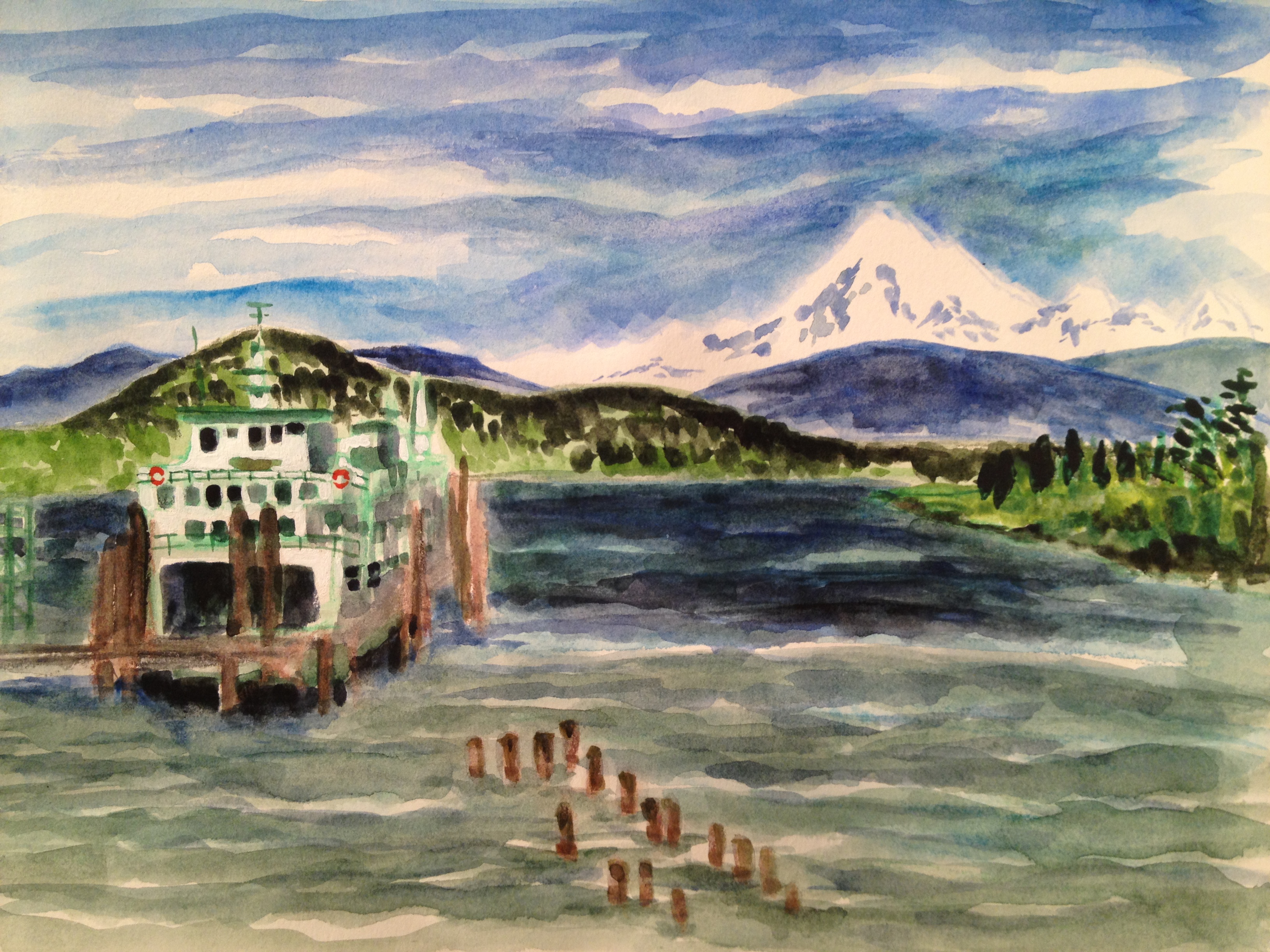
View of Mt. Baker from the Anacortes ferry landing. Copyright 2013 Robin L. Chandler
It’s spring on Orcas, in the San Juan Islands, and we are hiking from Cascade Falls via Mountain Lake to Mount Constitution; at the summit, the view of Mt. Baker across the sound is glorious. It is a day so hot and clear, that even Mt. Rainier, nearly 100 miles to the south, sheds the hazy cloak, granting a glimpse of inspiring wonder. The Pacific Northwest has a quality reminiscent yet distinct from the Grand Canyon. Looking across the vast expanse of Puget Sound, we are flotsam in time, humbled by the knowledge that our lives are defined by tides, wind and volcanism; at the Grand Canyon, we witness the passage of time humbled by the expanse of history portrayed by the simple act of water coursing the land. In these moments, when we glimpse our place in the scheme of things, we honor the greater forces at work on our planet.
On the trail, my feet seem to find every small cone shed by the Western Red Cedars populating this coastal forest;* the crunch seems deafening in the stillness. The air tastes salty, tinged by the scent of wood smoke, and the forest is quiet except for birdsong and the infrequent hiker or mountain biker. Rounding the turn, we discover a bald eagle perched on a partially submerged log near the shoreline, fishing. My friend whispers, “amazing to think that the removal of one chemical <DDT> from the environment made seeing this bald eagle possible.”
Today is Mother’s Day, a fitting day to honor women. According to Rebecca Solnit, in the early 1960s three women writers changed our thinking about the nature of authority and tradition in the world into which I was born: Jane Jacobs with The Death and Life of Great American Cities, Betty Friedan with The Feminine Mystique and Rachel Carson with Silent Spring. Jacobs assailed the postwar restructuring of cities resulting in suburbia; Friedan questioned the patriarchy of middle-class suburbia and the assigned gender roles of women; and Carson argued on behalf of ecosystems exposing fatal flaws in Big Science and industry’s broad stroke solutions. As Solnit describes in her essay Other Daughters, Other American Revolutions published in Storming the Gates of Paradise: Landscapes for Politics, Carson was “the first to describe the scope of the sinister consequences of a chemical society, the possibility that herbicides, pesticides and the like were poisoning not just pests – or pests, and some songbirds and farmworkers – but everyone and everything for a long time forward.”
Rachel Carson was able to communicate very technical information and inspire the general public to care about the environment. According to Solnit, Carson’s “book had a colossal impact from the beginning and is often credited with inspiring the DDT ban that went into effect nationwide in 1972. Though some now challenge the relationship between DDT and eggshell-thinning in species, wild birds from brown pelicans to bald eagles and peregrine falcons have rebounded from the brink of extinction since the ban.” Rachel Carson’s closing words say it best “the ‘control of nature’ is a phrase conceived in arrogance, born of the Neanderthal age of biology and philosophy, when it was supposed that nature exists for the convenience of man…it is our alarming misfortune that so primitive a science has armed itself with the most modern and terrible weapons, and that in turning them against the insects it has also turned them against the earth.” Thank you Rachel Carson; your “words are deeds.”** We honor your greater feminine force that gave us this bald eagle today.
* The San Juan Islands forest typically includes Western Red Cedars, Douglas Fir, Western Hemlock, Big Leaf Maples and Pacific Madrone.
** Lord Risley speaking to Maurice Hall from E.M. Forster’s novel Maurice.
Chief Skedans Totem. Copyright 2012 Robin L. Chandler.
Brahms’ Requiem is a prayer for the living, and it begins “blessed are they that mourn, for they shall have comfort.” I’ve been listening to it for days, seeking comfort, because a dear friend passed away on Saturday night. Last week, I found myself standing in Stanley Park, Vancouver, awestricken before a totem carved by Haida artist Bill Reid. Recreating a pole carved in 1870 in the village of Skidegate, Queen Charlotte Islands, the totem honors the passing of the Raven Chief Skedans; images of the Moon, Mountain Goat, Grizzly Bear and the Whale grace its visage. The Chief’s daughter erected the pole as a memorial honoring her father’s passing. I was in Victoria when Laura Tatum passed away. In the tradition of the memorial totem, I offer these watercolors today in remembrance of Laura. My friend Laura brought an extraordinary sparkle and passion to all aspects of her life. Laura had a smile that could light up the darkest of rooms. She was a superb archivist who specialized in architectural records and broke new ground engaging architects in arrangement and description of their archival collections.
Mount Rainier, Seattle, Sunrise. Copyright 2012 Robin L. Chandler
Work has brought me to the Pacific Northwest & British Columbia several times in the last year: Portland, Seattle, Vancouver, and Victoria. I have attempted to capture the region’s beauty in my watercolors.
View of the Olympic Range from Victoria. Copyright 2012 Robin L. Chandler.
In my mind’s eye, I see Laura, a native Oregonian, flying magically and Marc Chagall-like in the heavens over the rooftops and green space of the Pacific Northwest and British Columbia. Her journey takes her northward from Oregon along the Cascade Range to Mount Rainier, westward to the Olympic Range, and northward again across the Strait of Juan de Fuca towards Vancouver and Victoria, her spirit living and loving, ever inspiring us to live life to the fullest. With this magic, I shall have comfort.
Mt. Whitney at sunrise. Copyright 2011 Robin L. Chandler
Life is all about the journey; it’s never about the destination. Over the years, I have made many pilgrimages to Mount Whitney, a mountain that has “tattooed” my body and still lingers in my dreams. Many years ago, I began a dialogue with my “friend,” the tallest summit in the continental United States, and I am grateful that the conversation continues. On September 15, 2001 – a mere four days after 9/11 – I walked the pathway to the summit (14,497 ft.) for the first time with six friends. On that journey, the mountain helped me believe in my ability to prepare, plan and confront my fears and doubts. Unexpectedly, the mountain helped me grapple with the tragic events in New York City. In 2001, I reached the mountaintop, looked eastward and was gifted with a glorious view of my country; I saw strength, determination and resilience. Looking to the valley below, I saw the result of similar challenging times beset by fear and prejudice, as realized by the internment of Japanese-American Citizens at Manzanar.
Now, ten years later, I returned to visit my old friend the mountain and see what stories the mountain might share. Seven of us started the walk up Mount Whitney on September 17, 2011 at 3:00AM: Connie, David, Doug, Kim, Margaret, Matt and me. In 2001, it had taken me eighteen hours to reach the summit and return to camp at Whitney Portal. Hoisting my pack on my back, I imagined myself back at the campfire around 9 PM with a well-earned celebratory brew in my hand. My dear friend Pam was coming all the way from Sonora to make sure we had a warm fire, pizza and beer at the end of our hike. But before fast-forwarding, I rewound thinking about when this journey really began. It began months earlier with hours of hiking. April 2011, I hiked to Sill Hill waterfall in San Diego County with David and Margaret. May 2011, I circumnavigated Monterey Bay with my friends Irene and Sara. July 2011, Connie and I hiked Big Basin in Santa Cruz. August 2011, Irene and I hiked in the Sierras surrounding Convict Lake and summited Mt. Dana in Yosemite. August 2011, David, Margaret, Doug and I hiked Mt. San Jacinto near Palm Springs. September 2011, I hiked in the Hurricaine Ridge in the Olympics in Washington with Umberto and Giovanni. All lovely hikes with friends whose companionship I treasure.
Range of Light. Copyright 2008 Robin L. Chandler
Three of the seven argonauts made it to the summit this year; and I toast my compatriots David, Doug and Margaret for their accomplishment! Cheers! For me, this hike ended at nearly 13,400 feet somewhere amidst the 98 switchbacks between Consultation Lake and Trail Crest. More importantly, the journey to the mountaintop has never ended and I hope it never does. This time, my friend the mountain shared with me long-lasting stories: the joy helping others accomplish great things, the grace in humility, the sweetness of friendship during hardship and pain, and the wisdom in understanding “its never over ‘til its over.” I look forward to my next pilgrimage to the mountain.
The Topatopa bluffs are part of the Condor Sanctuary in the Sespe Wilderness; the sanctuary is a space where the Condors can mate, breed and raise their chicks undisturbed by humans. At sunset seen from the Ojai Valley, the bluffs glow “pink” from the last rays of the setting sun.
Topatopa Bluffs near Ojai. Copyright 2010 Robin L. Chandler
With their nine foot wingspan, Condors glide at fifty-five miles per hour ranging three hundred miles a day on the look for expired creatures that will sustain them. Bradley John Monsma in The Sespe Wild writes “attempting to see the lay of the land through the eye of the condor quickly turns a wide-angle wilderness into a lesson in the limitations that we impose on other species.” The Sespe is a crucial link in the foraging habitat used by the Condor for thousands of years ranging from the the Ventana Wilderness through the Sespe and Tejon Ranch to the Sierra Nevadas. Humankind continues to encroach upon the condor’s “home” as rolling oak grasslands situated along I-5 north of Los Angeles too often become real estate development opportunities. But sometimes people do get it right. In May 2008, a coalition of conservation groups – the Natural Resources Defense Council, the Sierra Club and the Audubon Society of California negotiated a conservation easement to preserve 178,000 acres in Fort Tejon that will supplement the public lands forming the condor habitat. There are approximately seventy condors in the wild and space and water are key to their survival. I marvel at the condor’s ability to daily traverse a “u-shaped” area from Big Sur to the Range of Light.
Mt. Whitney and the Range of Light. Copyright 2008 Robin L. Chandler
Their need for habitat, fires my imagination contributing to my personal geography. As Stephen S. Hall writes in his essay I Mercator in the book You Are Here, “I have roamed across state lines and oceans and continents, backwards in time, each thought colored according to a personal legend, corresponding to the elevation and depressions of my private humors: pride, wonder, sadness, remorse.” We are here, now, navigating our personal maps, facing the emptiness of our intelligence in a space and time where nature balances precariously between our greed and our benevolence.
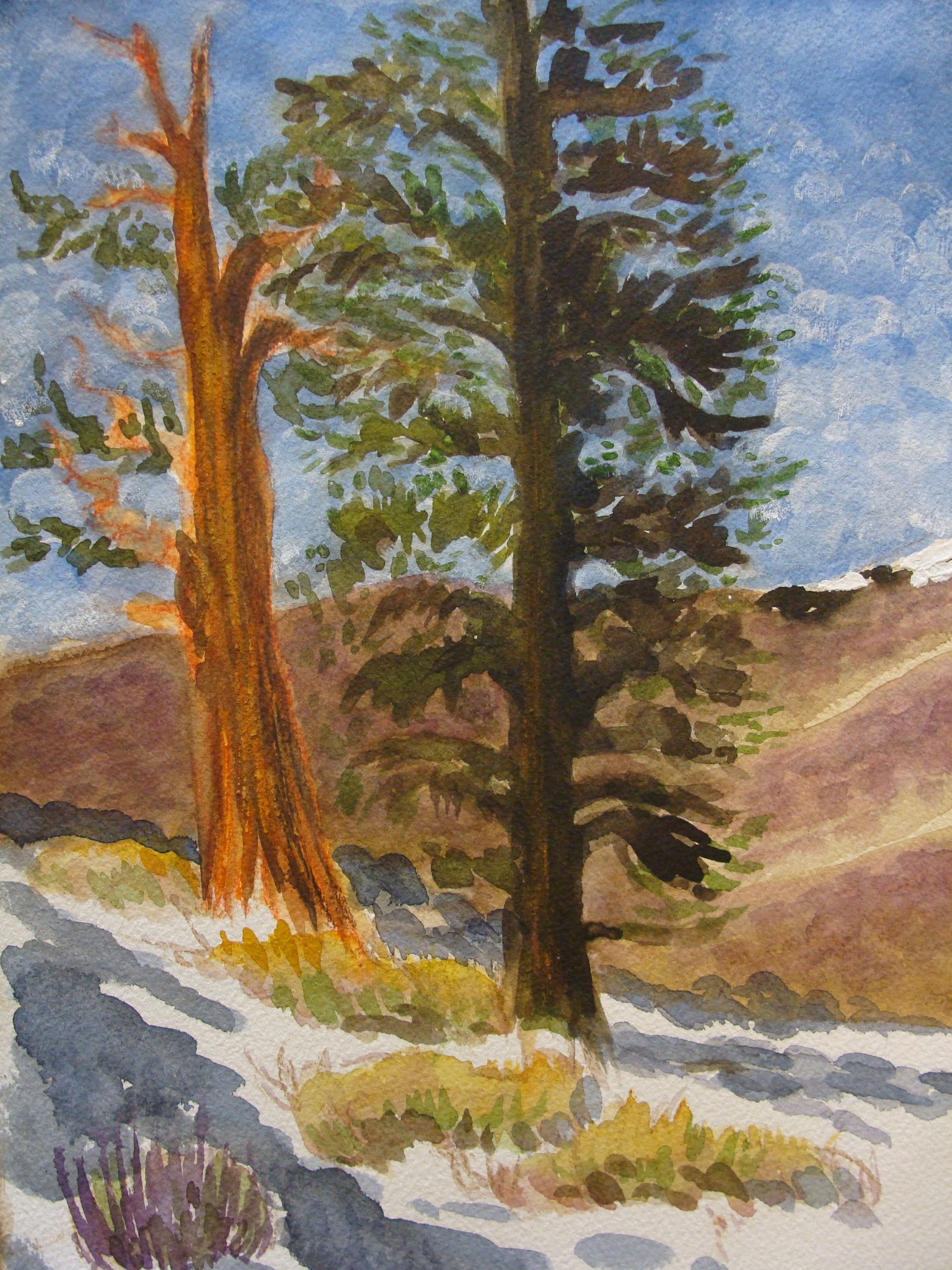
When I moved to San Diego last year, I did two wonderful things. First I joined the Sierra Club San Diego Chapter and enrolled in the Wilderness Basics Course. Second I started hiking with my brother-in-law Doug. We chose hikes in the San Bernadino and San Gabriel mountains because of their proximity to Doug’s home and since I had spent thirty some years in Northern California any trail in Southern California would be an adventure for me. Our first explorations in the San Bernadinos included a hike through Jeffrey Pines on the snow covered Siberia Creek Trail, documented in this watercolor,
Hiking on the Siberia Creek trail. Copyright 2008 Robin L. Chandler
and a trek to the Pacific Coast Trail where it brushes by Big Bear Lake. Our final adventure of last year was in the San Gabriels hiking Mt. San Antonio (known affectionately as Old Baldy) with my friend Dan. Baldy is some twenty-two miles to the east of Mt. Wilson and Big Tujunga Canyon where the fires continue to burn now in their sixth day. I keep thinking about those mountains — a challenge for the north-south driver — but also a strong range charged with protecting the Los Angeles basin from the harsh temperatures of the Mojave desert and capturing moisture during the winter for the times of drought. I keep thinking about the wildlife and people uprooted by such a massive fire and the lives lost, some heroically and others needlessly. This evening I opened Gary Snyder’s essays Back on the Fire and thumbed to the “Regarding the Smokey the Bear Sutra” and this brief excerpt reads “a handsome smokey-colored brown bear standing on his hind legs showing that he is aroused and watchful, bearing in his right paw the Shovel that digs to the truth beneath appearances….his left paw in the Mudra of Comradely Display indicating that all creatures have the full right to live to their limits…wearing the blue work overalls symbolic of slaves and laborers, the countless men oppressed by a civilization that claims to save but only destroys…wearing the broad-brimmed hat of the West, symbolic of the forces that guard the Wilderness….round-bellied to show his kind nature and that the great Earth has food enough for everyone who loves her and trusts her….” Thank you Smokey.












 alive in the sea of information
