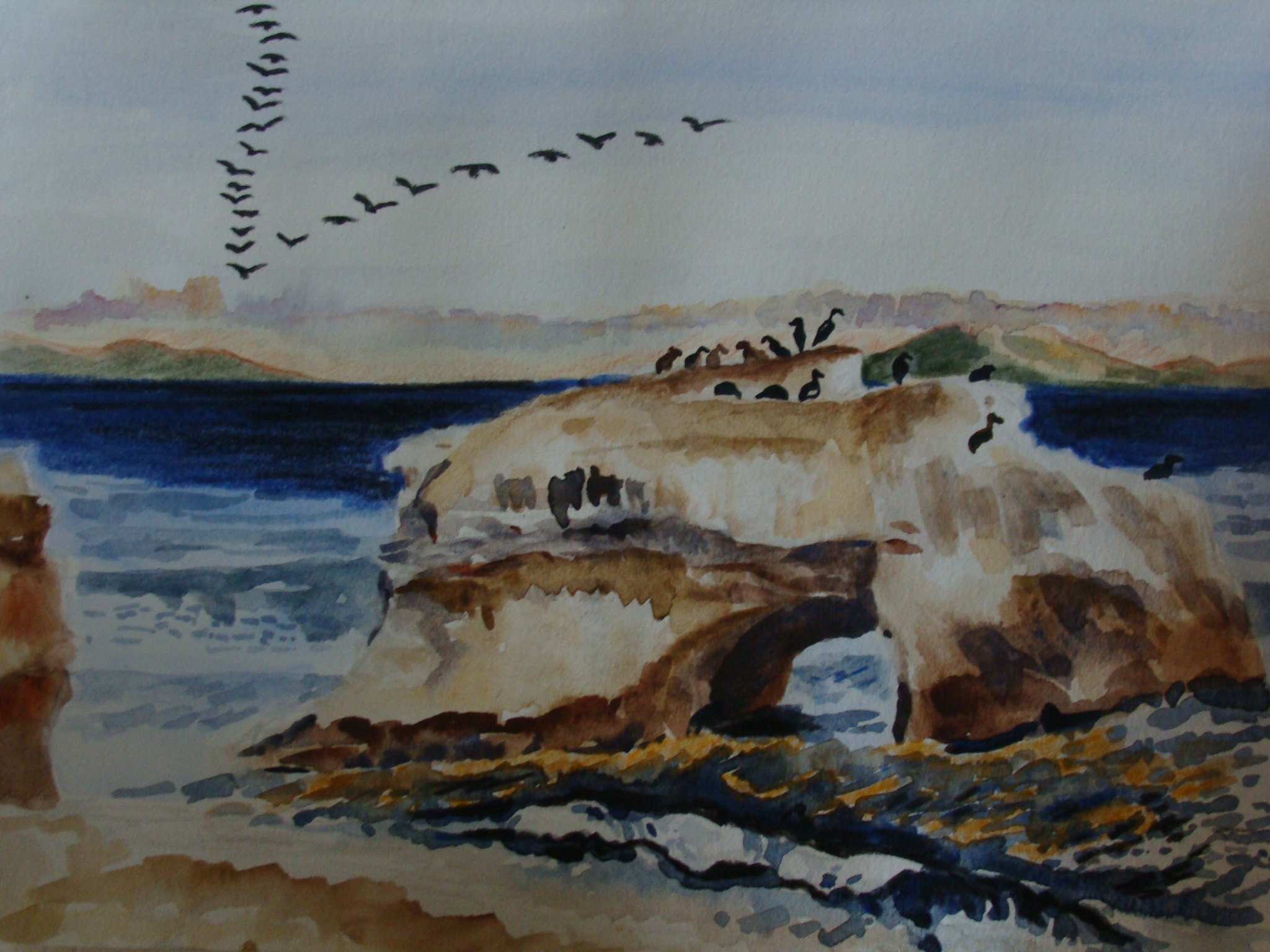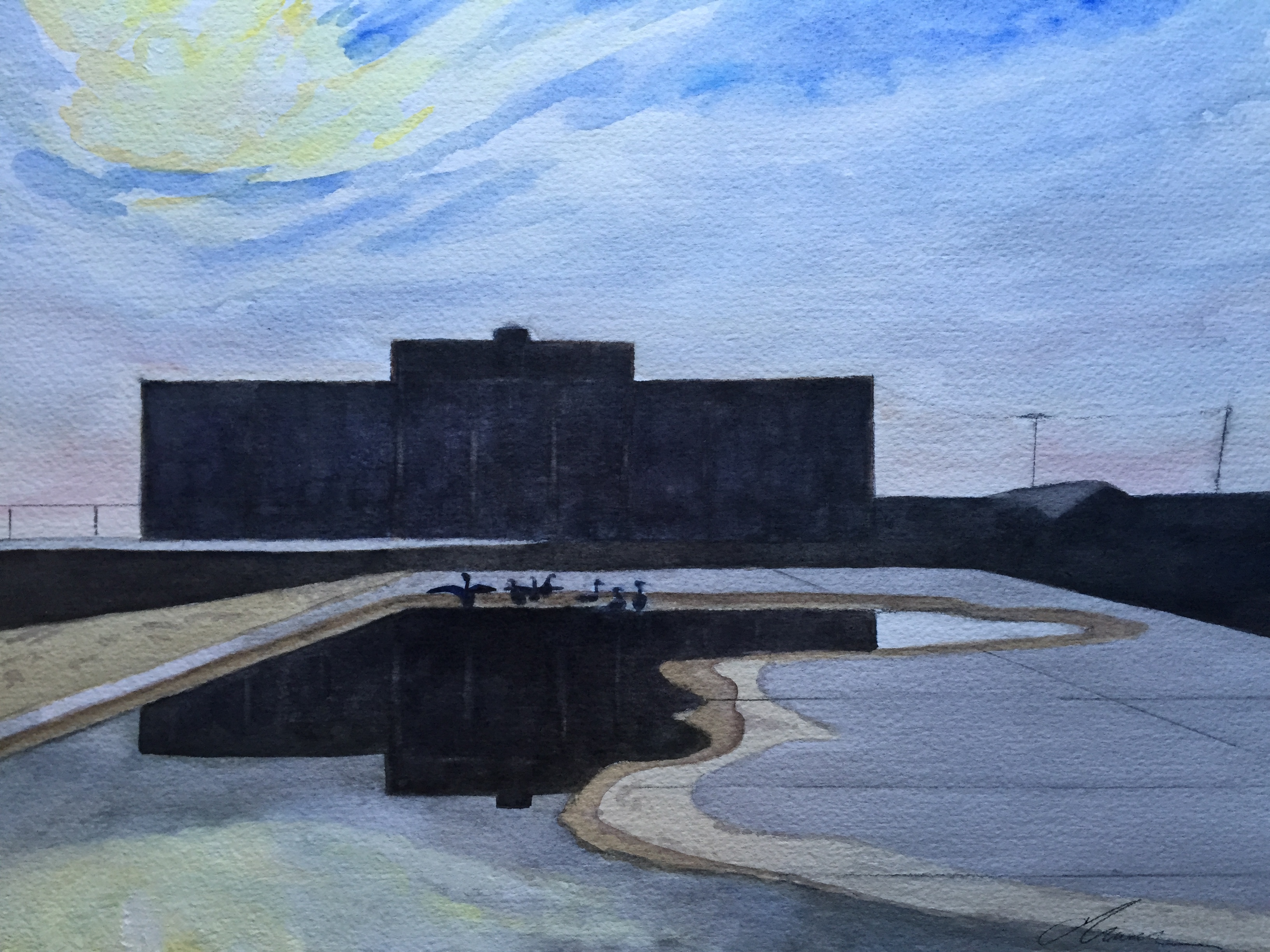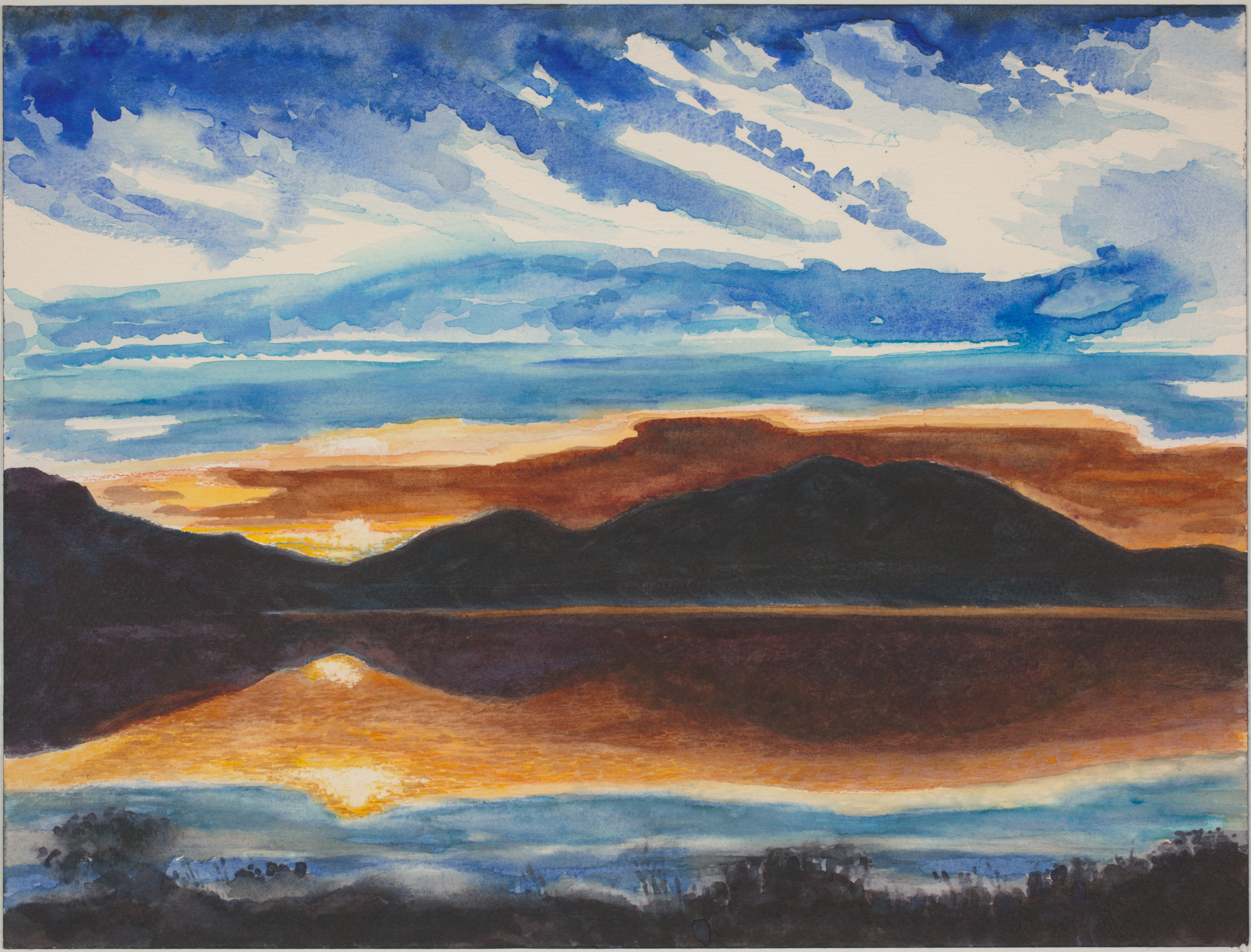
Tumanguya: great spirit home

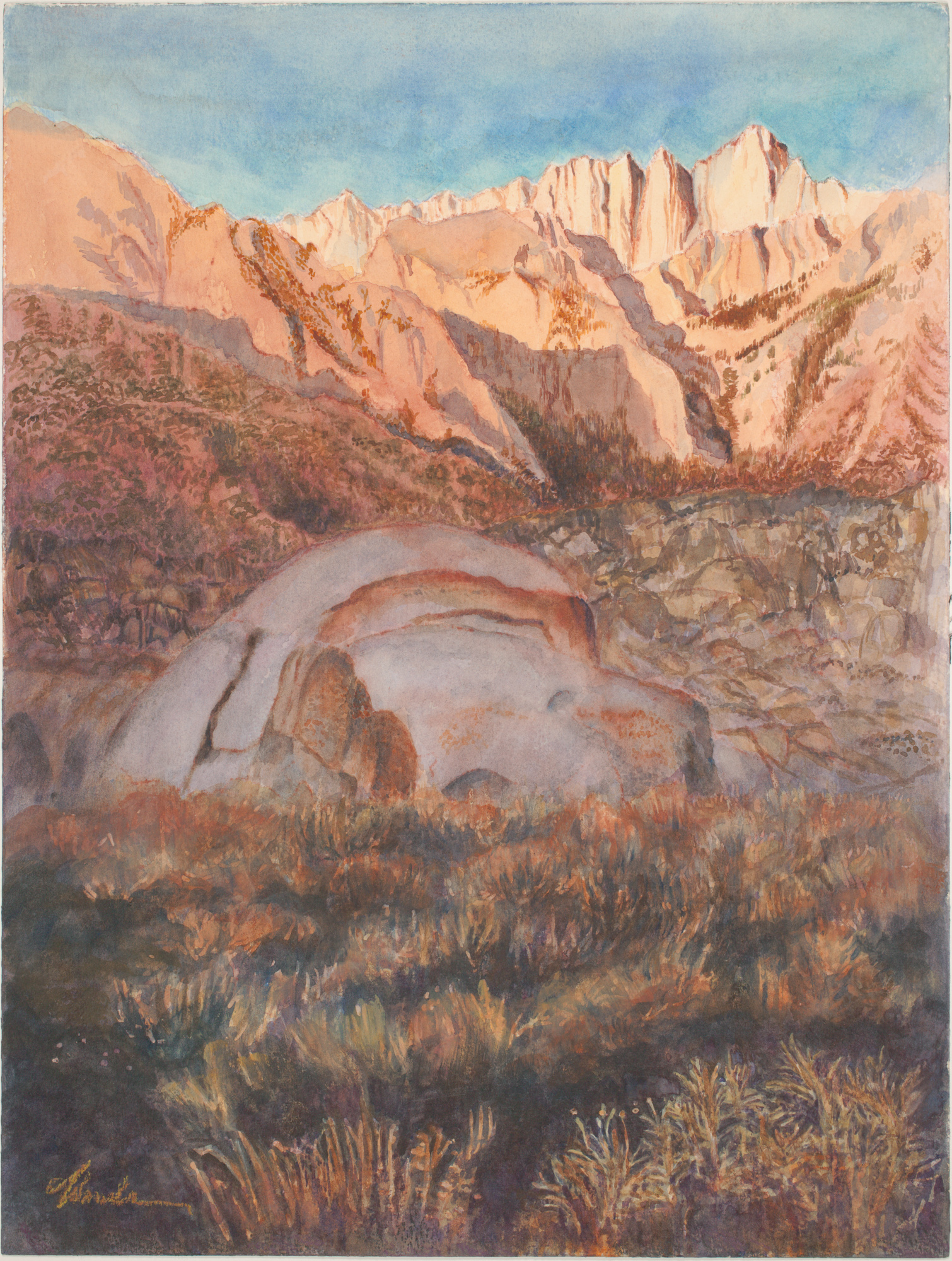
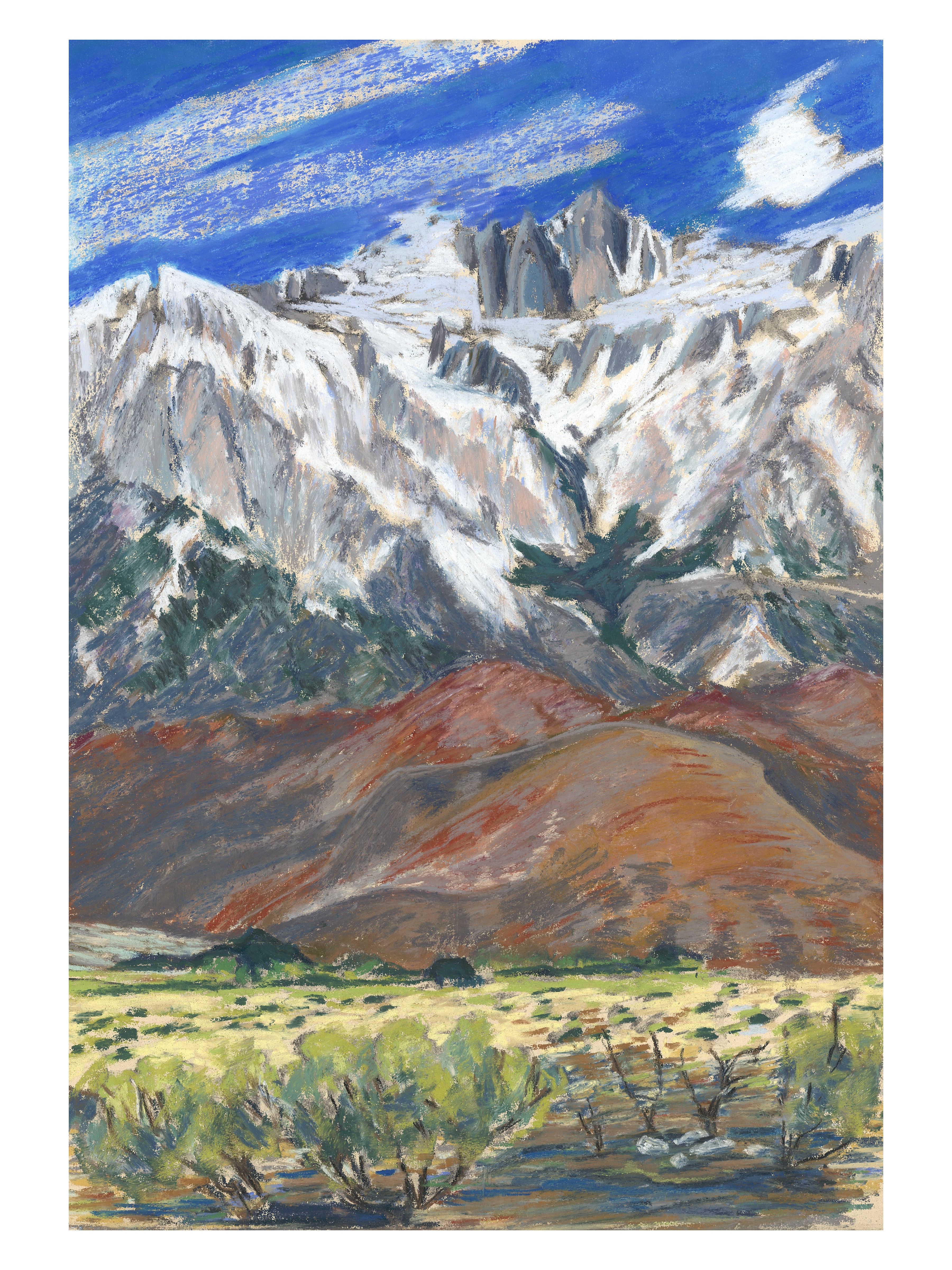
Tumanguya, also known as Mt. Whitney, in Spring. Robin L. Chandler, 2024.

“In 1750, nearly all of the world’s 750 million people, regardless of where they were or what political or economic system they had, lived and died within the biological old regime. The necessities of life – food, clothing, shelter, and fuel for heating and cooking – mostly came from the land, from what could be captured from annual energy flows from the sun to the Earth. Industries too, such as textiles, leather, and construction, depended on products from agriculture or the forest. Even iron and steel making in the biological old regime, for instance, relied upon charcoal made from wood. The biological old regime thus set limits not just on the size of the human population but on the productivity of the economy as well.

These limits would begin to be lifted over the century from 1750 to 1850, when some people increasingly used coal to produce heat and then captured that heat to fuel repetitive motion with steam-powered machines, doing work that previously had been done with muscle. The use of coal-fired steam to power machines was a major breakthrough, launching human society out of the biological old regime and into a new one no longer limited by annual solar energy flows. Coal is stored solar energy, laid down hundreds of millions of years ago. Its use in steam engines freed human society from the limits imposed by the biological old regime, enabling the productive powers and numbers of humans to grow exponentially. The replacement – with steam generated by burning coals – of wind, water, and animals for powering industrial machines constitutes the beginning of the Industrial Revolution and ranks with the much earlier agricultural revolution in importance for the course of history. The use of fossil fuels – first coal and then petroleum – not only transformed economies around the world but also added greenhouse gases to Earth’s atmosphere.”

Excerpt from Robert B. Marks’ The Origins of the Modern World: A Global and Environmental Narrative from the Fifteenth to the Twenty-First Century. Fifth Edition (p. 101 – 102)

The concept of the biological old regime, as discussed by Dr. Marks in great detail in Chapter One of the book, is based upon relationships, such as the rise of civilization and the agricultural revolution, the relationships between towns or cities and the countryside, between elites and peasants (also called agriculturalists or villagers), between civilizations and nomadic pastoralists, and between people and the environment 
a holy ecology

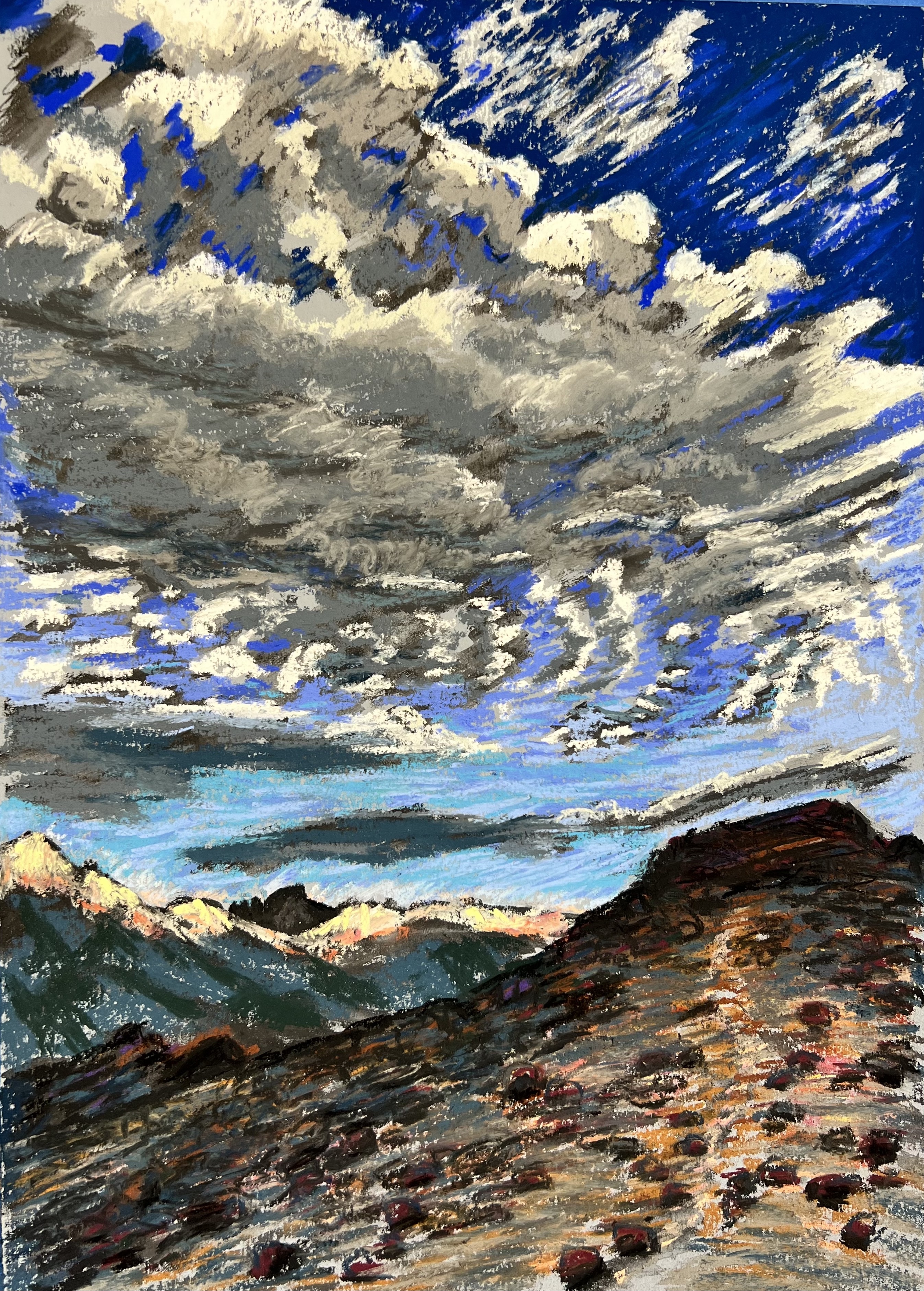
Mt. Whitney from a hilltop near Tuttle Creek. Robin L. Chandler, 2024

“…Beauty in the Song is clearly not the idealized, symmetrical, or abstract beauty of the Greeks, although occasional references to symmetry occur as in the images of twin gazelles and twin teeth (4:3, 4:5, 6:6, 7:4). The poet presents impressionistic images rather than a definitive likeness. Beauty in the song is visual, aromatic and tactile; it is textured and complex – a synesthetic experience. Beauty is a function of the abundance of the natural world. It is a function of aliveness. Beauty only becomes intelligible through the Song’s figurative language, which collapses the distance between the lovers and the land they inhabit. What beauty actually looks like in the Song is a luxurious land, alive with sheep grazing on hillsides, gazelles bounding through mountains, and trees laden with fruit.” (p.22)

An excerpt from Rabbi Ellen Bernstein’s Toward a Holy Ecology: Reading The Song of Songs in the Age of the Climate Crisis

departure and arrival

After a year confined, while Shiva created and destroyed, the open road beckoned. The horizon open, the land infinite, and my mind seemed lotus-like, unbound.  And Earth shared: sky, mountains, trees, deserts, meadows, and rivers. My soul replenished: hope glimmers.

Clockwise: Thunderstorm over Wheeler Peak, Taos, NM; waterfall at Whitney Portal, Lone Pine, CA; sentinel trees at Whitney Portal, Lone Pine, CA; monsoon over Mt. Langley, Lone Pine, CA; and the San Francisco Peaks from Bonita Meadow, Flagstaff, AZ. Watercolors by Robin L. Chandler, 2021.

Opening to vastness

sierracottonwood
Mt. Whitney. Robin L. Chandler, 2017.

inyomtsalabamahills
Inyo Mountains from the Alabama Hills. Robin L. Chandler, 2017

Recently, I visited the Owens Valley and gazed upon the vastness of the Sierra Nevada and the Inyo Mountains. Mountains and sky: in that infinite space, their beauty humbled me. In that quiet desert, I opened my soul to their medicine. For two solitary days, I painted Mt. Whitney and the Inyo Mountains from vantage points in the Alabama Hills becoming part of their story. And now, healed by their beauty, now part of their family, I understand how vast humans can be…..when we open our hearts.

Thomas Lowe Fleischner says it best in Nature, Love, Medicine: Essays on Wildness and Wellness, “but each day we start anew and walk out into a world that is full of sorrow and injustice, yes – but that is also heartbreakingly beautiful. Despair must not overrun our appreciation for this world – plant and animal, stone and sky, and human souls – that is immeasurably lovely, more beautiful than it needs to be, in spite of the grief that is embedded within it.”

catch a glimpse, overhear a whisper

Mt. Whitney in winter. Robin L. Chandler 2016.
Mt. Whitney in winter. Robin L. Chandler  Copyright 2016.

This winter, we visited the Eastern side of the Sierras. We longed to see the snow covered mountains after so many years of drought. And frankly, I look forward to any chance to gaze upon Mount Whitney, the highest summit in the Sierras and in the contiguous United States at 14,505 feet. Waking early, I drove to the Alabama Hills awaiting the glorious winter light the sunrise would bring to Whitney’s face. Mount Whitney towers above the Alabama Hills, but both ranges are made of granite. The Alabama Hills are composed of two types of rock, an orange metamorphosed volcanic rock, and a type of granite that weathers into potato shaped boulders.

The highest peaks were covered in clouds, it was snowing in the mountains, and Whitney was not visible. I stomped my feet and blew on my fingers to stay warm in the cold, hoping with daylight Whitney would be visible. The sun rose, the clouds , like curtains, drew back and Mount Whitney whispered hello. Countless times, I have come to this place, to stare at this mountain, but I can never get enough. I always return. Joyous, I pondered the magic of what light can do, as Robert Hass wrote in the introduction to his book of the same name “the source of that authority is mysterious to me…but it is that thing in their images [the photography of Ansel and Robert Adams] that, when you look at them, compels you to keep looking.”

Pictures at an exhibition


Mt. Whitney at sunrise. Robin L. Chandler copyright 2014
Mt. Whitney at sunrise. Robin L. Chandler copyright 2014.

In Bernard Berenson: A Life in the Picture Trade, Rachel Cohen describes how Berenson, revolutionized art history by his beliefs that  “one did not need to be steeped in history or iconography in order to respond to paintings…one could  be in an active relationship with paintings…one’s own private and profound experiences of them was not just for the rich or gifted but a natural capacity of the human mind and therefore available to everybody.”  Paintings, wrote Berenson, “hate people that come to them with anything but perfect abandon.” This month an exhibit of my watercolors hangs at the Sweet Adeline Bakeshop in Berkeley. Watercolors lend themselves well to my life in transit: they are light to carry, rapidly used, and quick to dry. As I walk and bike near home and work, or travel, I discover stories in the landscape. Watercolors and brushes at the ready, I stop to capture the moment with quick sketches. Some of these sketches mature into more detailed works created back in the studio.

While I firmly believe historical context is not required to enjoy art, it does, without a doubt, add to the experience. Depicting wild or urban settings, my paintings draw inspiration from the Hudson River School and Tonalism, groups of artists who expressed their experience of nature in very different terms. Hudson River School painters – including Frederic Church and Albert Bierstadt –  wrought panoramic vistas celebrating the magnificence of the land in sharply defining light. Emphasizing mood and shadow, the breaking dawn, gray or misty days, or light bleaching out sharp contrasts, Tonalist painters – such as George Inness and James McNeill Whistler –  softly rendered landscape forms in their paintings. Published in A Life in Photography, the painter and photographer Edward Steichen wrote “by taking a streetcar out to the end of the line and walking a short distance, I find a few wood lots. These became my stomping grounds, especially during autumn, winter and early spring. They were particularly appealing on gray or misty days, or very late in the afternoon or twilight. Under those conditions the woods had moods and the moods aroused emotional reactions that I tried to render…”For those of you unable to see the exhibit in person, I share the paintings with you now. Bring your perfect abandon and choose your perfect soundtrack to view the pictures at the exhibition.  Some may choose Mussorgsky, but for today’s viewing I choose Rufus Wainright‘s Release the Stars.


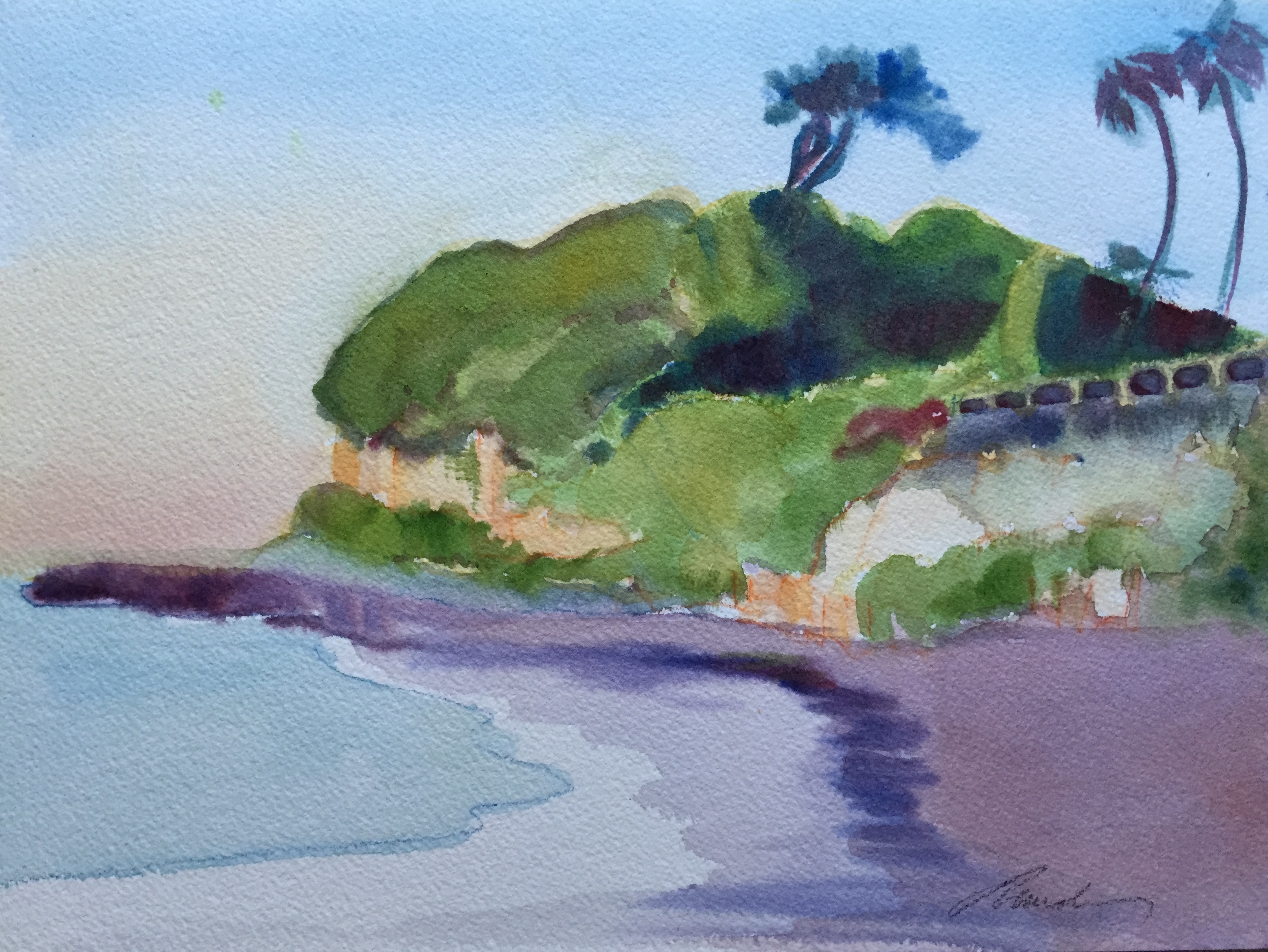
Torrey Pines early morning. Robin L. Chandler Copyright 2015.

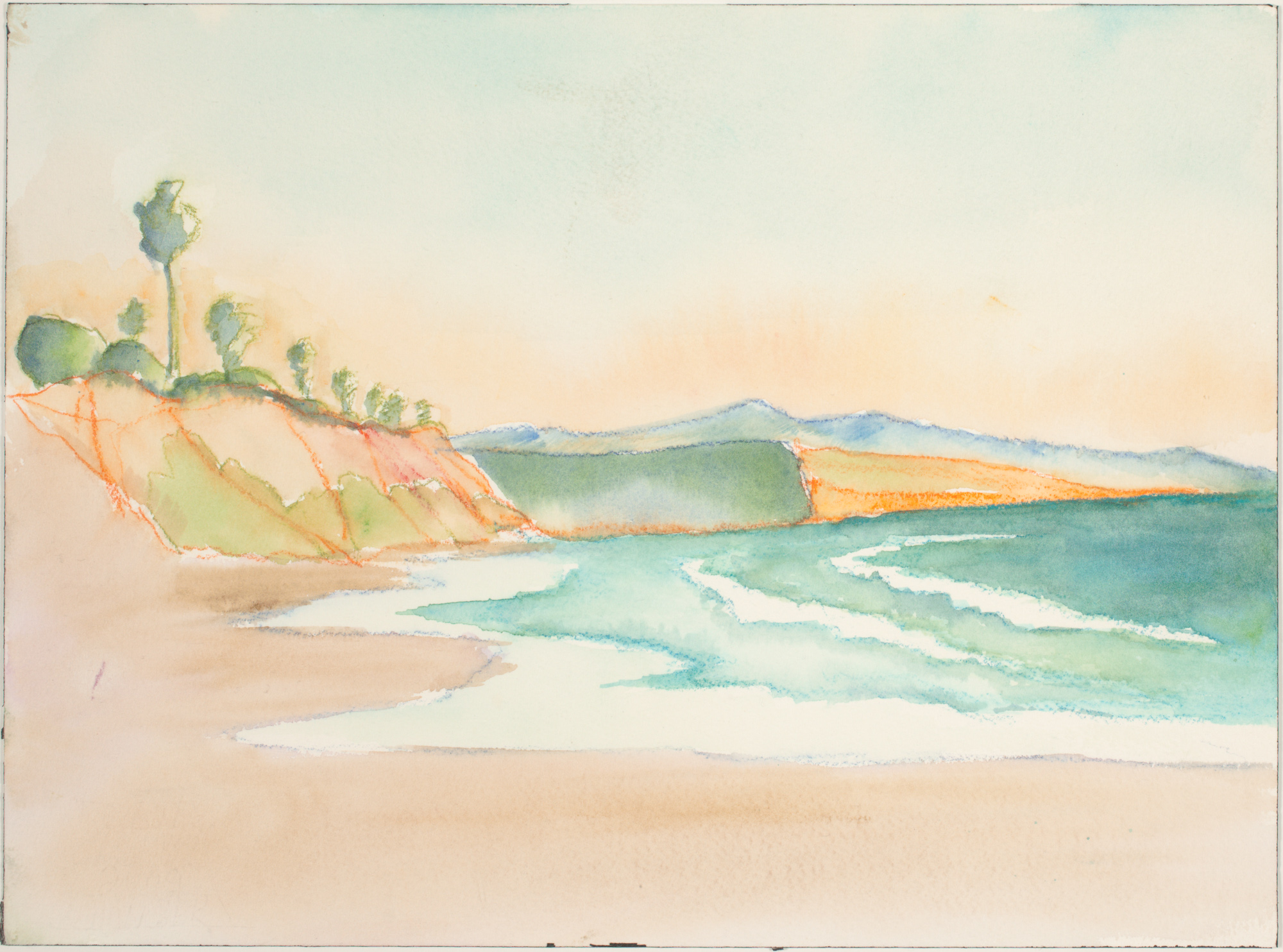
Swami's Beach at sunset looking south. Robin L. Chandler Copyright 2014.
Swami’s Beach at sunset looking south. Robin L. Chandler Copyright 2014.

Swami's Beach at sunset looking north. Robin L. Chandler Copyright 2015.
Swami’s Beach at sunset looking north. Robin L. Chandler Copyright 2015.

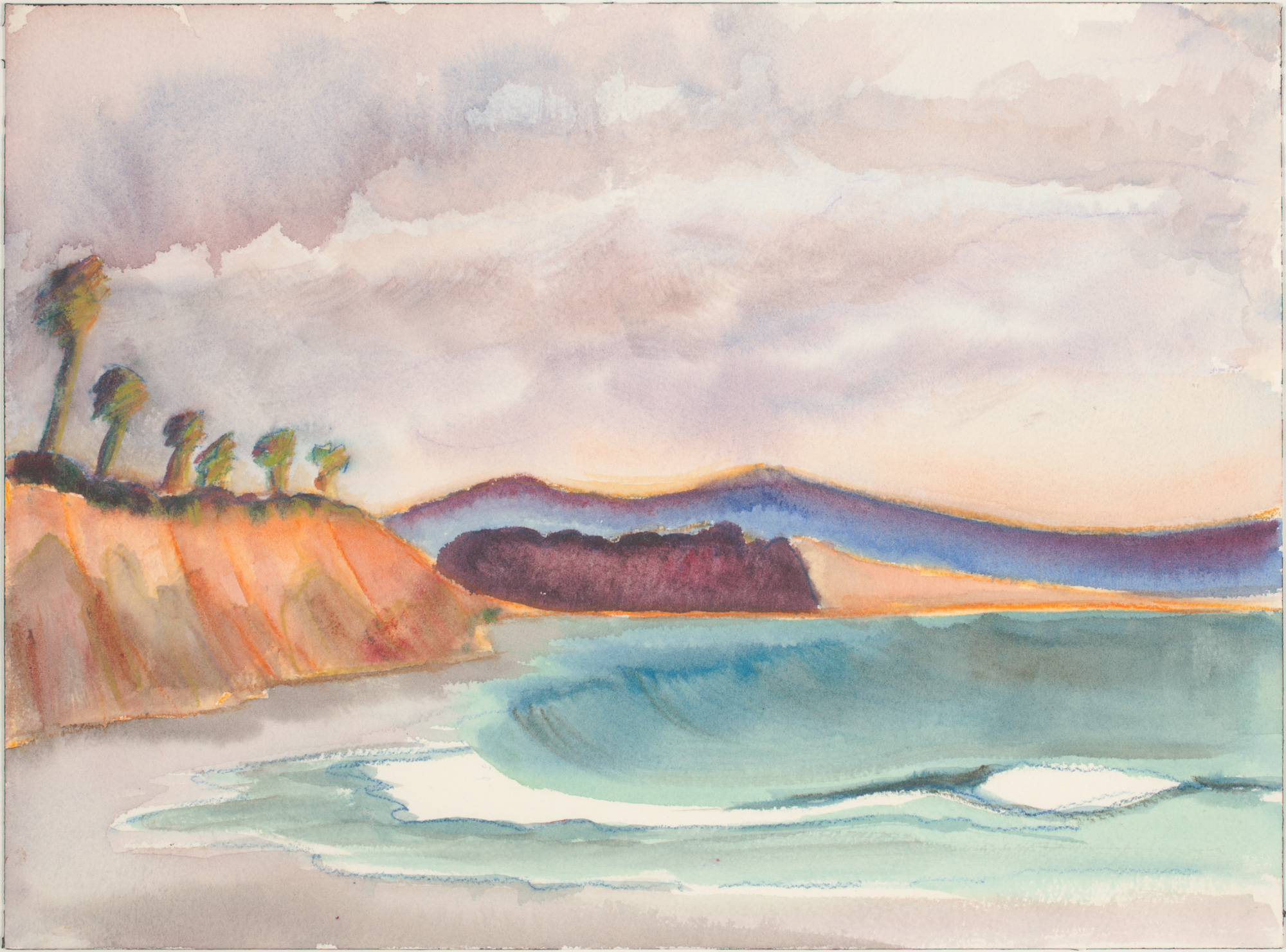
Swami's Beach at sunset on a rainy day. Robin L. Chandler Copyright 2014.
Swami’s Beach at sunset on a rainy day looking south. Robin L. Chandler Copyright 2014.

View of Santa Cruz coastline and Monterey Bay National Marine Sanctuary. Copyright Robin L. Chandler 2014

Wind and Wave. Copyright Robin L. Chandler 2014
Natural Bridges late afternoon. Copyright Robin L. Chandler 2014

Elkhorn Slough wetlands. Robin L. Chandler Copyright 2014.
Elkhorn Slough wetlands mid-morning. Robin L. Chandler Copyright 2014.

Moss Landing at sunrise. Robin L. Chandler Copyright 2015

Pt. Lobos near Carmel mid-afternoon. Robin L. Chandler Copyright 2015.

Sailboats on Alameda Estuary mid-day. Robin L. Chandler Copyright 2015.

Oakland Skyline mid-day. Robin L. Chandler Copyright 2015.

Oakland Terminal on Alameda Estuary mid-day. Robin L. Chandler Copyright 2015.

Storm over San Francisco view from Richmond wetlands. Robin L. Chandler Copyright 2015.

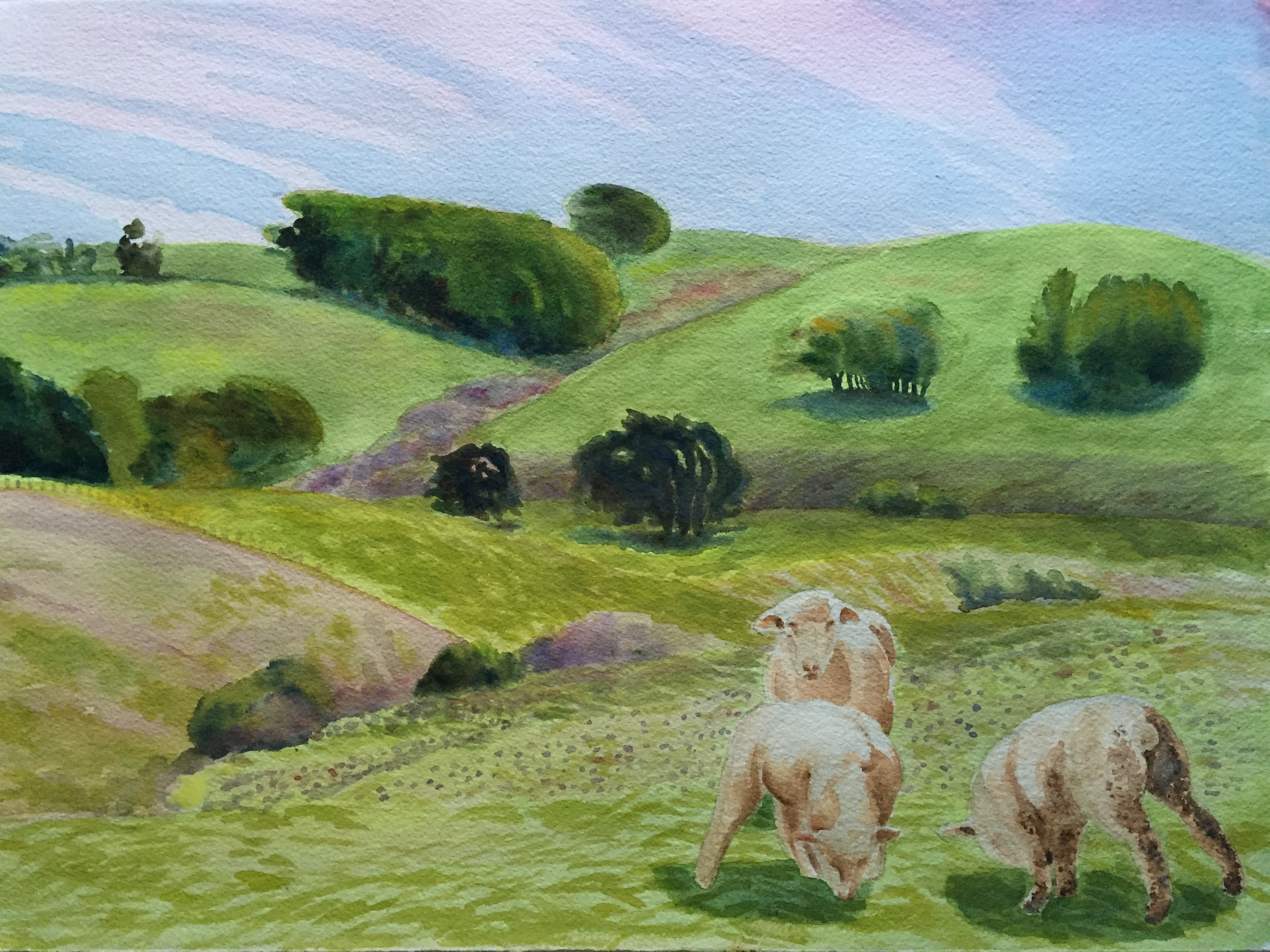
Grazing Sheep north of Point Reyes Station high-noon. Robin L. Chandler Copyright 2015.

Black Mountain. Robin L. Chandler Copyright 2015.
Black Mountain late afternoon. Robin L. Chandler Copyright 2015.

Nicasio Reservoir at sunset.

Tomales Bay from Point Reyes Station storm moving in. Robin L. Chandler Copyright 2015.

Mt. Whitney at sunrise. Robin L. Chandler copyright 2014

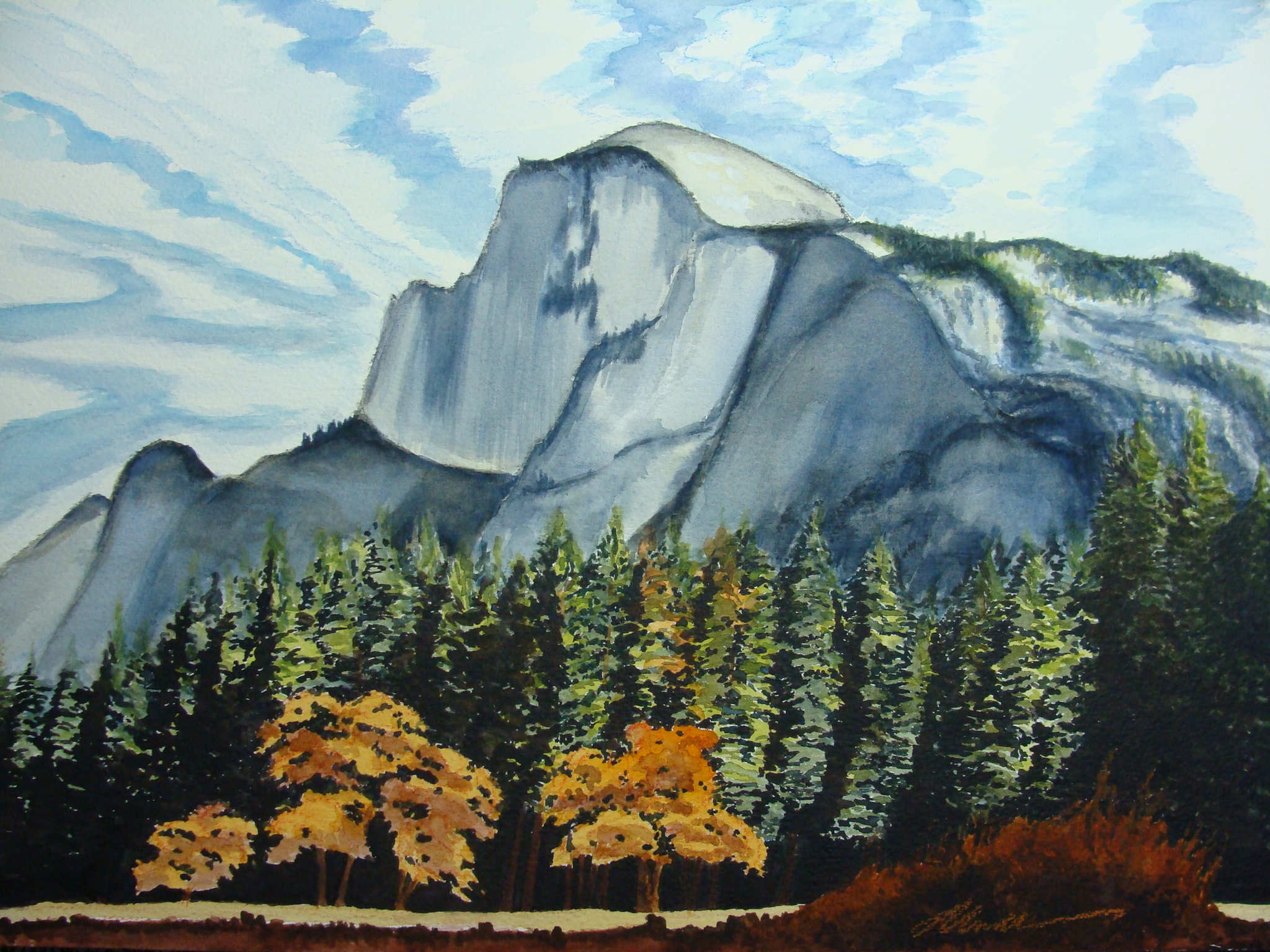
View of Half Dome in Yosemite Valley. Copyright Robin L. Chandler 2014.