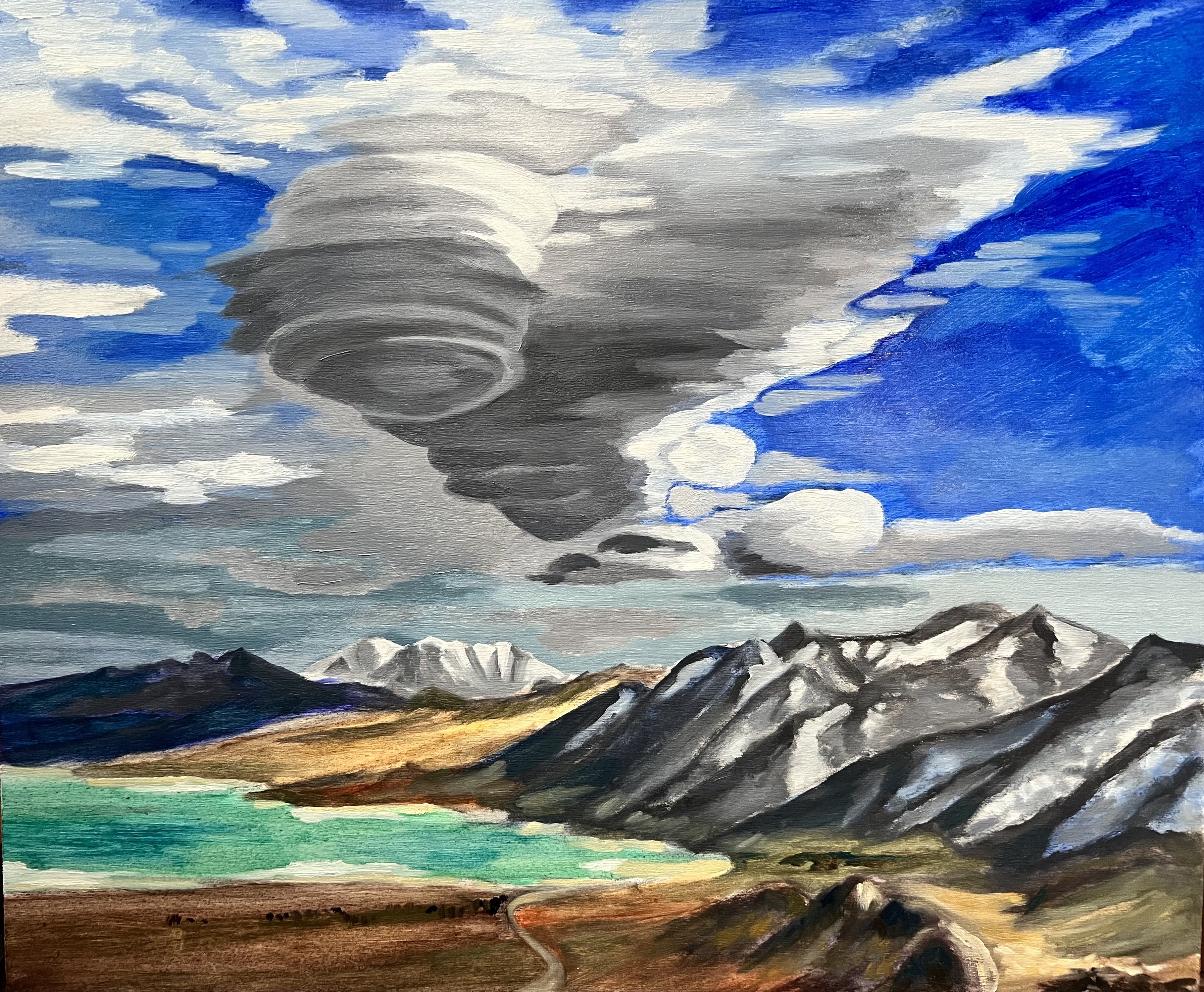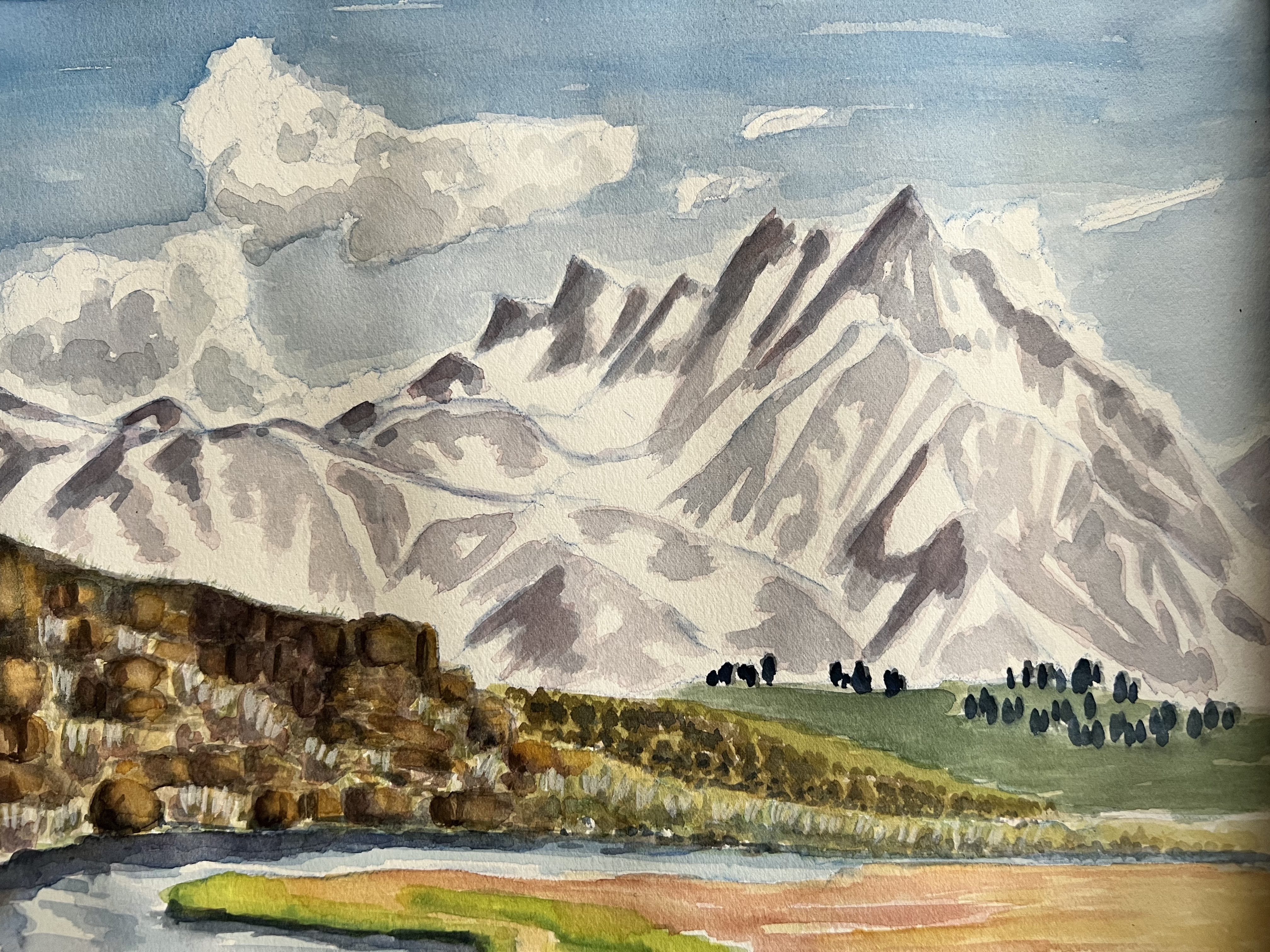
“…..on that stretch of the Lewis and Clark Trail, he talked about how the explorers’ mapping of a route to the Pacific forged the way that millions of American settlers followed. Being there, and listening to the lessons of the Missouri River, gave Bernard [DeVoto] an epiphany. The western land the explorers found was filled with species adapted to drought: sagebrush, prickly pear cacti, tens of millions of buffalo. In the 1800s the North and South raced to add western states in a battle for dominance in Congress. The future of slavery hung in the balance. But the land of the West settled the question – it did not have enough rain for a cotton economy, which meant that the slave system was bound by climate and geography and, therefore, politically doomed. Lewis and Clark proved that all waters – meaning all trade routes that the people who occupied the land would follow – pulled together from the tops of the Appalachians to the tips of the Rockies toward the Mississippi River; there was no inland sea or central mountain belt that could divide two nations, one slave, one free. So when Abraham Lincoln, explaining his decision to wage war on secessionists, said “We cannot separate,” he spoke not opinion but literal truth from the land.”
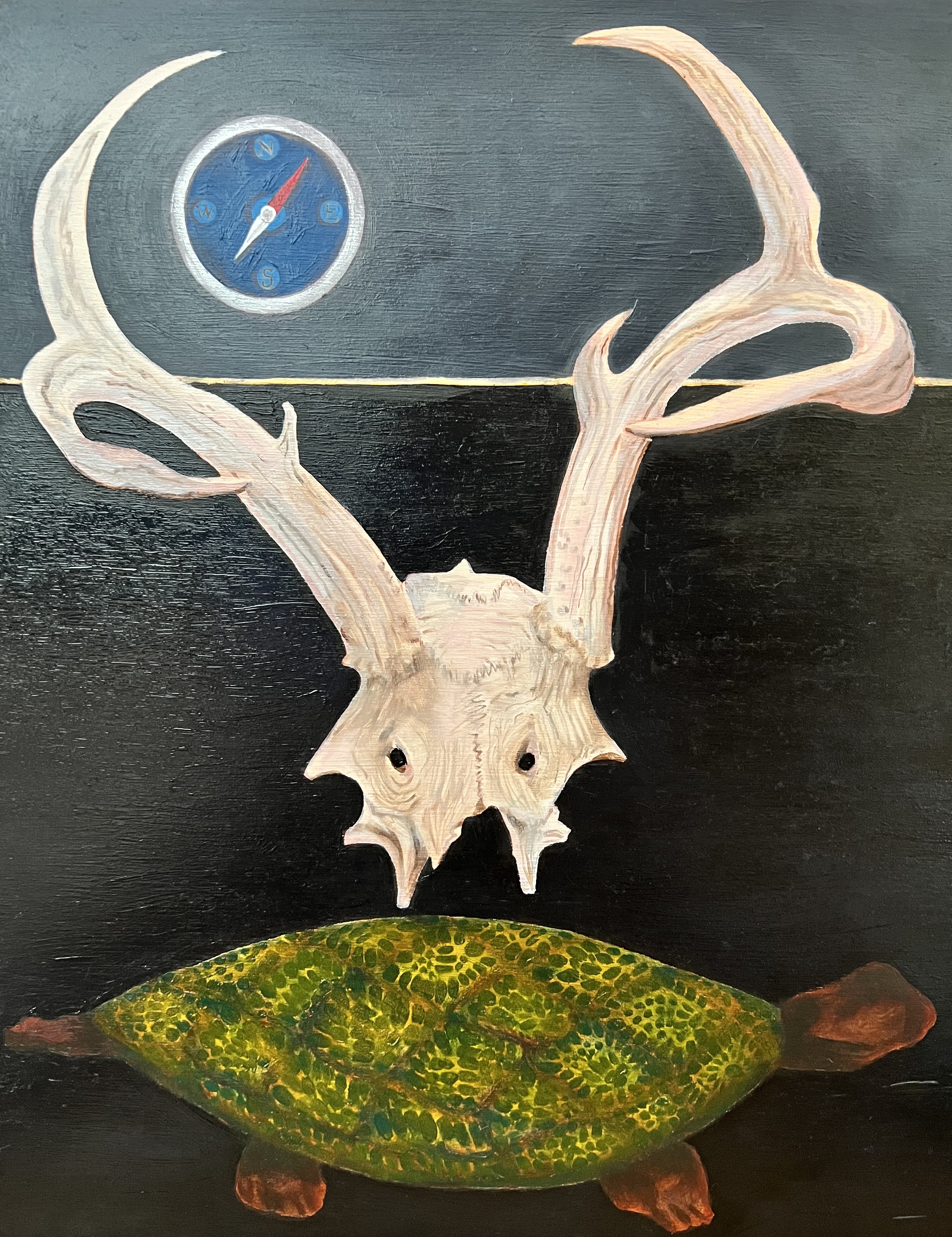
Where the Deer and the Antelope Play. Robin L. Chandler, 2022.
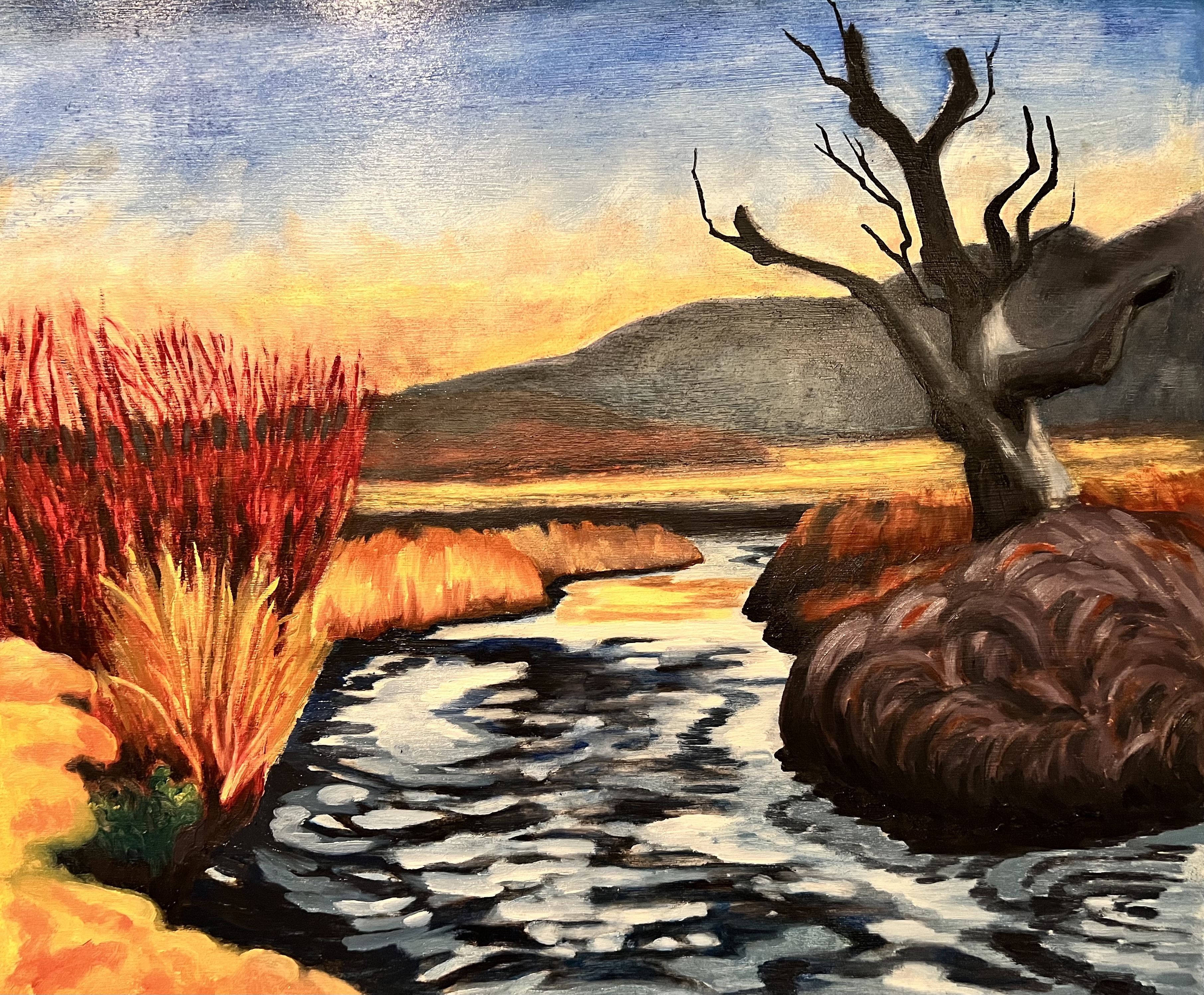
“…..as is well argued by Bruce Pascoe in his book Dark Emu, the Europeans had a terrible track record for arriving in a new world (Australia in the case of Dark Emu) and, as we all know, devastating the Native tribes by varying methods of genocide, or at least brutal displacement. In order to treat other human souls so viciously, this behavior on “our” part required a certain degree of denial. This was achieved by treating the American Natives, or the Aboriginal tribes in Australia as less than human – vermin, really – that required extermination, so that the proper “civilized” humans could set-up house. Pascoe succinctly points out that when the English made their reports detailing the progress of their settlements Down Under, they therefore had to necessarily ignore the complex civilizations of the local tribes entirely, despite their methods of surviving amicably in concert with nature that had been developed over millennia. Housing, farming, fishing complete economies: eradicated. Wiped off the face of Australia. “Nothing to see here, your highness, except some random savages!” Next, of course, the English heroically shipped in herds of grazing sheep and cows and attempted to plant their wheat and other continental grains, and then looked on stupidly as they all faltered and died in inhospitable soil, within an ecosystem that was entirely alien to the biology of their plants and animals. They exhibited all the common sense of hijacking a plane for its cargo of riches and then killing the pilots without gleaning any of their imperative knowledge. We’re all in so much of a hurry, then and now, to make money, that we never bother learning to land the son-of-a-bitching plane.”
“…..that’s how my grandfather used to tell stories. The long wind-up, all the background, all those Chinese boxes; and then suddenly, the swift and expert slide into the finale…..where the connections between all the details you’d learned along the way…..he’d lingered over at the beginning, suddenly became clear.”
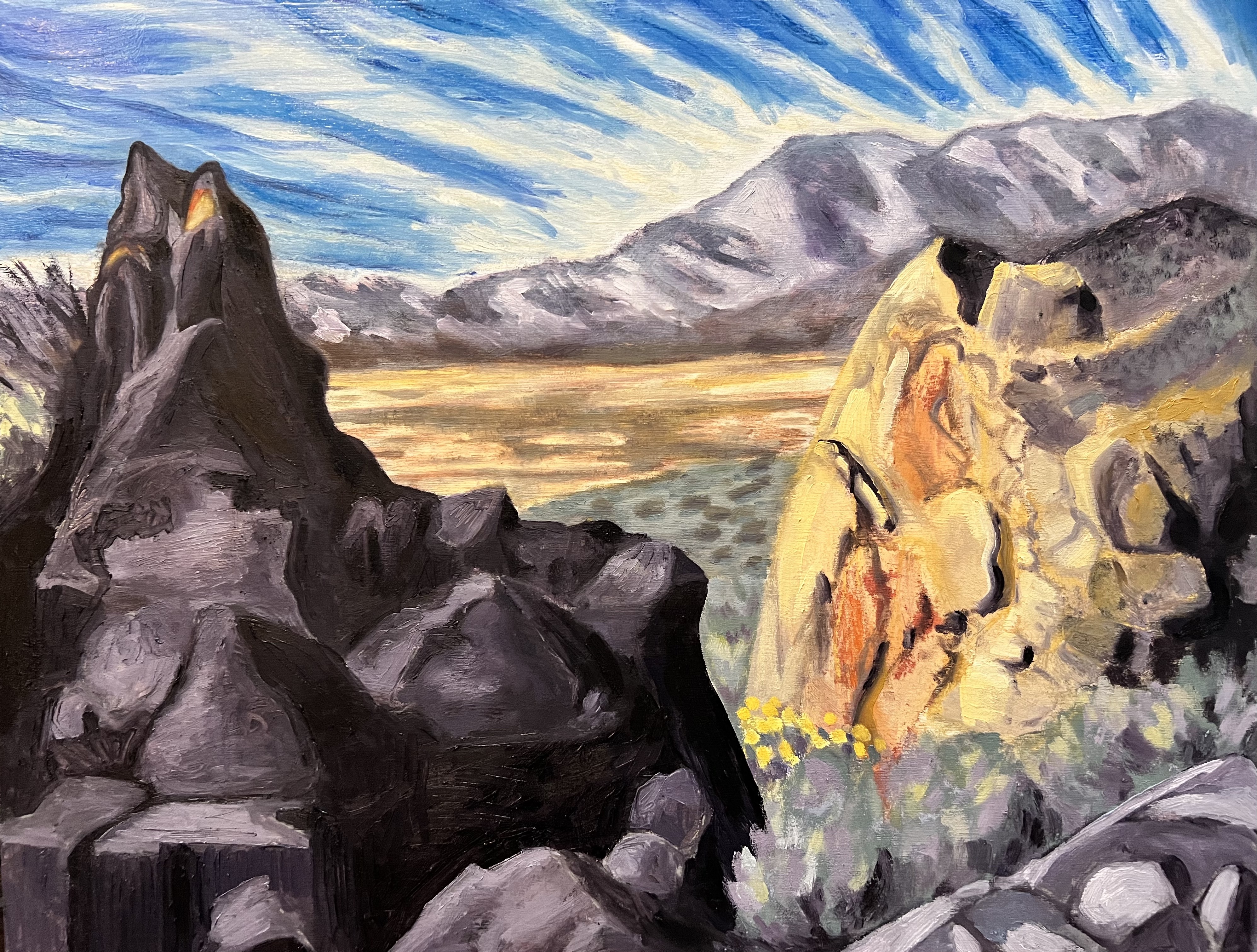
Obsidian is so sharp that you can use it to cut your lousy life to pieces, and then when you have the original parts, the real ones, you can put them back together and have a clean assembly of things and see the world as it is and always was, and get to work at last, before it’s too goddam late.
The Coyolxauhqui imperative is to heal and achieve integration. When fragmentations occur, you fall apart and feel as though you’ve been expelled from paradise. Coyolxauhqui is my symbol for the necessary process of dismemberment and fragmentation, of seeing that self or the situations you’re embroiled in differently. Coyolxauhqui is also my symbol for reconstruction and reframing, one that allows for putting the pieces together in a new way. The Coyolxauhqui imperative is an ongoing process of making and unmaking. There is never any resolution, just the process of healing.
Today March 31, 2022 our beloved Grinnell, peregrine falcon and mate for seven years to Annie, passed away. Thank you Grinnell for gracing our lives and for giving us so many treasured moments. Life is so fragile and so precious. You will soar always in our hearts.
“Did you know, Dad, that if you write the word ‘red’ in green and ask a small child to tell you the color, the answer will be ‘green?’ But if you show the same word to an adult, the answer will be red. Children see the color, not the word. Adults see the word, and not the color.”
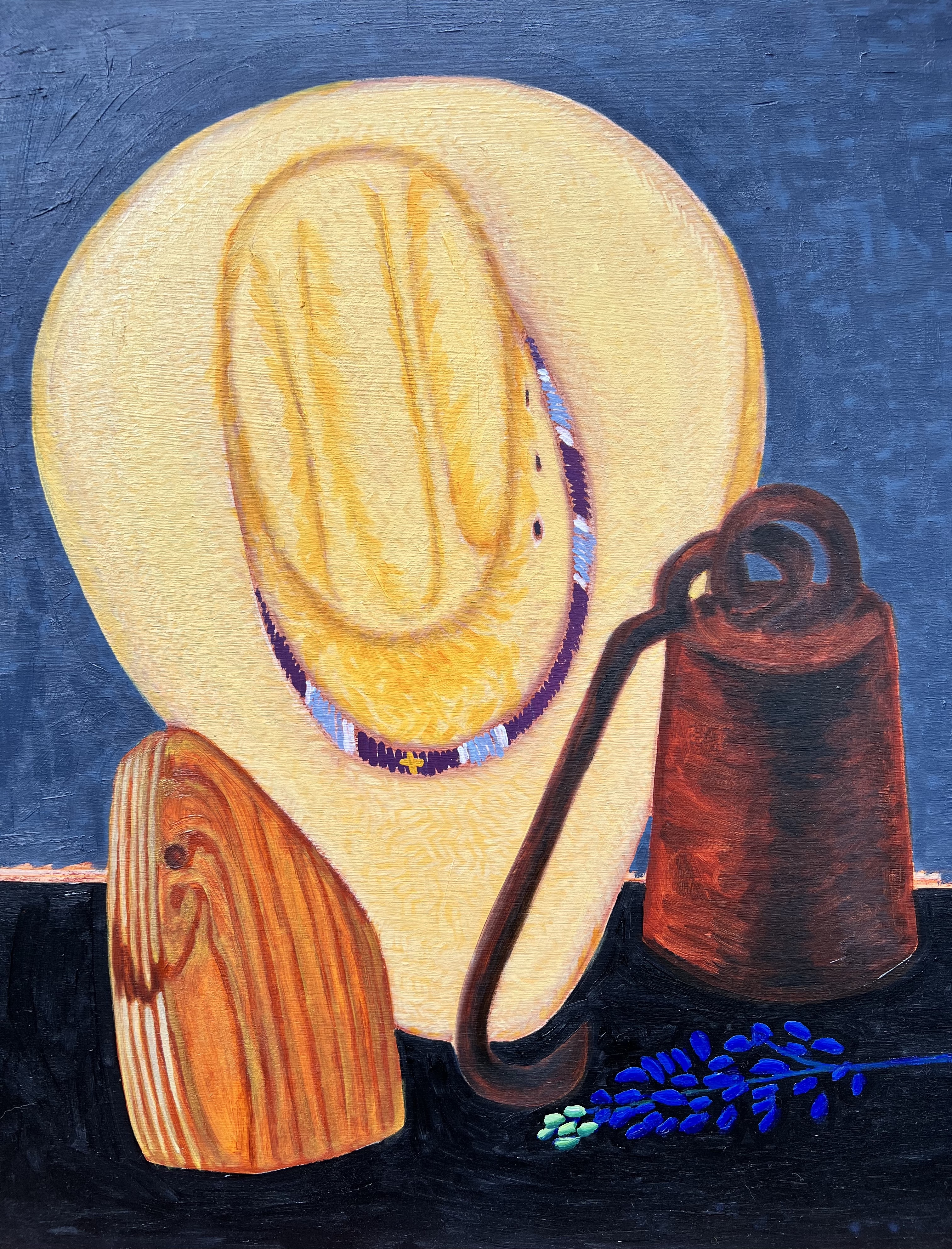
I am an advocate for wild creatures, rare plants, arrays of native vegetation, clean water, fish, stewardship of natural resources, and learning. I believe these things are compatible with ranching, sometimes lost without ranching. Some people call me a cowboy. A lot of good cowboys call me an environmentalist. I suppose there are lots of labels you can attach to me. There was a time when doing so was hurtful, so I threw back labels of my own. We throw a lot of anger at each other with words. It doesn’t do much for the land, really.
The time has come to see colors, not words.
Excerpt from the essay Colors and Words by Bob Budd in Ranching West of the 100th Meridian: Culture, Ecology, and Economics
WE DO NOT KNOW THE FUTURE. We do not know when the next war will start.We do not know when the last glacier will melt. We do not know when the last coral reef will bleach. We do not know how much oil we might still burn. We do not know when the last Javan rhinoceros will die. We do not know how nation-states will cope with millions of climate refugees. We do not know what policies economic crisis will be used to justify. We do not know when the Amazonia will collapse. We do not know how many more concentration camps will be built. We do not know when the Colorado River will go dry. We do not know toward what insidious ends the righteous hate of the downtrodden will be turned. We do not know when the Arctic Ocean will be ice free. We do not know what politics looks like in a world of catastrophic ecological collapse. We do not know when the Gulf Stream will slow to a stop. We do not know what we are capable of getting used to.